


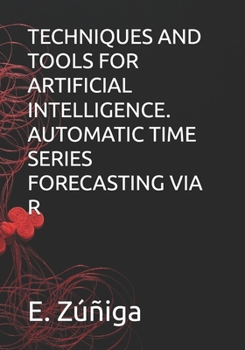
Techniques and Tools for Artificial Intelligence. Automatic Time Series Forecasting Via R
No Customer Reviews

Predictive artificial intelligence (AI) uses machine learning algorithms that rely on historical data to identify patterns, make predictions and forecast trends. It is based on the ability to use statistical analysis to identify patterns, anticipate behaviour and forecast future events. The field of statistics has long been used to make predictions about the future. Predictive AI makes statistical analysis faster and (theoretically) more accurate by machine learning and accessing large amounts of data. While its predictions are not guaranteed to be correct, predictive AI can help businesses prepare for the future and personalise customer experiences. Predictive AI is just one of many capabilities offered by AI, which refers to a set of abilities that computers can have to mimic human cognition. Predictive AI models are designed to accelerate decision making by helping businesses make accurate and informed decisions. Analyse patterns and make predictions by identifying anomalies in data and extrapolating future events. This can reduce the time it takes businesses to research and study information so they can spend more time making strategic decisions. In this book, we will go deeper into the automatic methods of prediction with time series that constitute essential tools in Predictive Artificial Intelligence. ARIMAX models under the Box and Jenkins methodology, state space models and time series models through neural networks are considered. A variety of exercises are developed using the automatic prediction functions of the R software. In addition, the clssical R functions for the treatment of ARIMAX models are presented.
Format:Paperback
Language:English
ISBN13:9798343589382
Release Date:October 2024
Publisher:Independently Published
Length:246 Pages
Weight:0.95 lbs.
Dimensions:0.5" x 7.0" x 10.0"
Customer Reviews
0 rating
Copyright © 2026 Thriftbooks.com
Terms of Use | Privacy Policy | Do Not Sell/Share My Personal Information | Cookie Notice | Cookie Preferences | Accessibility Statement
ThriftBooks ® and the ThriftBooks ® logo are registered trademarks of Thrift Books Global, LLC
ThriftBooks ® and the ThriftBooks ® logo are registered trademarks of Thrift Books Global, LLC
