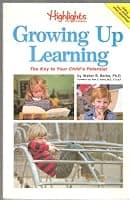
The purpose of this book is to help teachers find the key to how a child learns. To our way of thinking, the key lies within each child__the child's modality strength, and then recommends strategies which capitalize upon that particular strength. In no way are the goals of education changed; we simply outline more efficient ways to achieve these goals. The methods upon which this book focuses are strength oriented. We know our own weak areas, learned no doubt through years of trial, error, and frustration. As adults, we studiously avoid these areas, and direct our activities instead to our areas of strength. Children, however, are denied this luxury. The traditional pattern for the child in an academic setting has been to be confronted with failure, and then to be given seemingly endless hours of practice, not in the areas of strength, but in weaknesses. Must the goal of education be to find out what a child cannot do and then to emphasize these deficits? Is there not a way that a child can use strengths to overcome his or her deficiencies, and enjoy doing it? We believe that there is a way to teach that is both enjoyable and helps children overcome their deficiencies. The method, described in this text, focuses more on how the child learns than what is actually learned. Our philosophy is that once there is a clear understanding of how the child learns, then almost any relevant topic can be learned ... This description may be from another edition of this product.