Skip to content
ISBN: 0516460412
ISBN13: 9780516460413

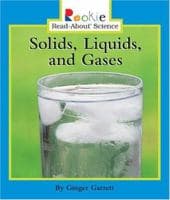
Solid, Liquid or Gas?

(Part of the Rookie Read-About Science Series)

$7.49List Price: $4.99
ISBN: 0516460412
ISBN13: 9780516460413
Formats

Conditions

An apparently unread copy in perfect condition.

Formats

Conditions

An apparently unread copy in perfect condition.
See all 2 editionsfrom $6.29

Book Overview

From friendly dolphins to giant pandas, from icebergs and glaciers to energy from the sun, from magnets to solids, liquids, and gases, Rookie Read-About Science is a natural addition to the primary-grade classroom with books that cover every part of the science curricula. Includes: animals, nature, scientific principles, the environment, weather, and much more! This description may be from another edition of this product.
Format:
Paperback
Language:
English
ISBN:
0516460412
ISBN13:
9780516460413
Release Date:
January 1996
Publisher:
Scholastic Library Publishing
Length:
32 Pages
Weight:
0.25 lbs.
Dimensions:
7.3″ × 6.0″ × 0.3″
Age Range:
6 to 7 years
Grade Range:
Grades 1 to 2
6 - 8 YearsChemistryChildren'sChildren's BooksEducationEducation & ReferencePhysicsScienceScience & MathScience & Scientists

Customer Reviews

1 customer rating | 1 review
Write a Review

Solid, Liquid, or Gas/

This photo essay defines matter, solids, liquids and gases and gives several examples of each. This book is very accurate and is yet easily understandable for even young children. The photos are crisp, colorful, and add realism and vitality to the text. A subject index is included in the back of the book. Best suited for children ages 5-8. Excellent! (Reviewed by a K-12 Science teacher)Possible Classroom Activity: After reading the book to a K-1 class or having the students read the book themselves in Grades 1-3, place three objects on a table in front of a bulletin board. Have the students identify the objects as solid, liquid or gas. Mount a poster board bar graph corresponding to each object on the bulletin board. Then have the students place a Post-it note on the bar graph indicating their identification for each. Discuss the objects with the class. Rotate objects for an on-going, interactive bulletin board.

0