


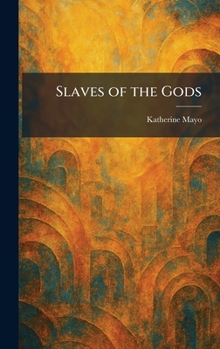
Slaves of the Gods

Select Format
Select Condition 
Book Overview
"Slaves of the Gods" is a compelling collection of narrative sketches and analytical observations that examine the social and religious landscape of early 20th-century India. Composed of twelve stories based on documented accounts, the work serves as a focused critique of traditional practices and their impact on the individual. The author explores themes of social hierarchy, the treatment of women, and the rigid structures of the caste system, presenting a series of vignettes that highlight the human cost of long-standing cultural customs.
The book delves into sensitive subjects such as child marriage, the status of widows, and the lives of those deemed "untouchable," aiming to provoke discourse on social reform and human rights. By blending investigative observation with narrative storytelling, "Slaves of the Gods" provides a stark portrayal of the tensions between ancient tradition and the burgeoning calls for modernization. It remains a significant historical document for those interested in the history of social activism, colonial-era sociology, and the cross-cultural debates that shaped international perceptions of South Asia during the 1920s.
This work has been selected by scholars as being culturally important, and is part of the knowledge base of civilization as we know it. This work was reproduced from the original artifact, and remains as true to the original work as possible. Therefore, you may see the original copyright references, library stamps (as most of these works have been housed in our most important libraries around the world), and other notations in the work.
This work is in the public domain in the United States of America, and possibly other nations. Within the United States, you may freely copy and distribute this work, as no entity (individual or corporate) has a copyright on the body of the work.
As a reproduction of a historical artifact, this work may contain missing or blurred pages, poor pictures, errant marks, etc. Scholars believe, and we concur, that this work is important enough to be preserved, reproduced, and made generally available to the public. We appreciate your support of the preservation process, and thank you for being an important part of keeping this knowledge alive and relevant.
Customer Reviews
ThriftBooks ® and the ThriftBooks ® logo are registered trademarks of Thrift Books Global, LLC
