


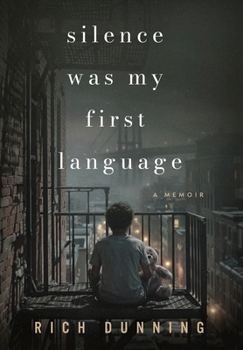
silence was my first language

He learned to survive before he ever learned to live.
Richard Dunning was three years old when his father walked away.
Soon after, his mother married Hector, a man whose alcoholism, violence, and cruelty transformed their Bronx basement into a place where fear dictated every decision and survival depended on becoming invisible.
Violence became ordinary. Poverty was relentless. Childhood became an exercise in survival. Richard learned to recognize drunken footsteps before a key ever reached the lock. He learned where to hide when the shouting began. At night, he wrapped blankets tightly around his body because rats bit exposed skin while he slept. Roaches crawled across the floor and walls, turning even the simplest act of closing his eyes into another fight for survival.
Silence was not a choice.
It was survival.
Children raised in violent homes develop extraordinary instincts. They learn to read faces before words are spoken, anticipate danger before it arrives, and disappear before becoming the next target. Those instincts can save a child.
They can also imprison an adult.
Long after escaping the Bronx, Richard carried those lessons into every corner of his life. They shaped his relationships, fueled alcoholism, reinforced shame, and convinced him that achievement could bury a past no one else could see. From the outside, he built an extraordinary career. On the inside, he remained the frightened little boy who believed survival meant never letting anyone know the truth.
Silence Was My First Language is the true story of what happens when childhood trauma is left unspoken and what becomes possible when silence is finally broken.
With extraordinary honesty, Dunning confronts domestic violence, child abuse, abandonment, addiction, homelessness, recovery, forgiveness, and the lifelong psychological impact of growing up in fear. He does not search for villains or offer easy answers. He simply tells the truth, allowing readers to witness both the devastating cost of trauma and the remarkable resilience of the human spirit.
This memoir speaks to survivors of abuse, families affected by addiction, children who grew up too quickly, and anyone who has spent years believing the past could never loosen its grip. It is a story of survival, but more importantly, it is a story of hope. It reminds us that while trauma may shape a life, it does not have to define one.
For readers who found inspiration in Can't Hurt Me by David Goggins, A Child Called "It" by Dave Pelzer, and The Glass Castle by Jeannette Walls, this memoir offers a different kind of courage, not measured by physical endurance, but by the willingness to confront the memories most people spend a lifetime trying to outrun.
Some wounds are visible.
The deepest ones are not.
This is the story of finding the courage to speak after a lifetime of silence.
Customer Reviews
ThriftBooks ® and the ThriftBooks ® logo are registered trademarks of Thrift Books Global, LLC
