


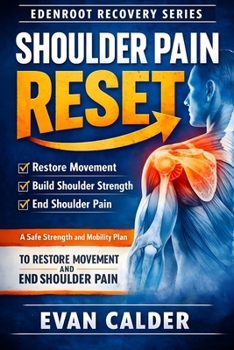
Shoulder Pain Reset: A Safe Strength and Mobility Plan to Restore Movement and End Shoulder Pain

Shoulder pain doesn't need more guessing, or more stretching.
If reaching overhead, sleeping on your side, benching, or pulling feels "pinchy," stiff, or unpredictable, this book gives you a calm, structured plan to rebuild trust in your shoulder, without extremes, fear-based advice, or perfect-form myths.
Shoulder Pain Reset is an educational, step-by-step program that focuses on the real teamwork behind shoulder comfort: the thoracic spine, the scapula (shoulder blade), and the rotator cuff working together to restore movement and build durable capacity.
Inside you'll learn:
Common shoulder pain patterns explained in plain languageClear red flags and when shoulder pain needs medical evaluationStretching mistakes that often worsen symptoms, and safer alternativesA conservative 7-Day Shoulder Reset to calm flare-ups and regain confidenceA simple mobility assessment to track progress without over-testingThoracic mobility and scapular stability foundations that make overhead motion feel saferRotator cuff training that builds endurance and control, not irritationTwo progressive strength phases: isometric control → progressive strengthPressing and pulling modifications so you can train while you recoverSleep strategies, daily habit upgrades, and sport-specific return plansA complete 30-Day Shoulder Recovery Plan with progression and flare-up rulesA long-term shoulder injury prevention system you can keep for lifeThis is not a "quick fix." It's a plan you can repeat.
Most shoulders improve when calm, consistency, and intelligent progression replace urgency and guesswork. You'll learn how to choose tolerable ranges, build capacity gradually, and make confident decisions, so your shoulder becomes reliable again.
Perfect for: overhead irritation, impingement-like symptoms, rotator cuff or tendon sensitivity, post-sleep shoulder pain, gym-related flare-ups, and anyone who wants a safe, structured path back to strength.
Educational content only. Not medical advice. Always seek medical evaluation for sudden trauma, suspected dislocation, inability to raise the arm after injury, major swelling/bruising, fever/infection signs, rapidly worsening weakness or numbness/tingling, or chest pain/shortness of breath.
Customer Reviews
ThriftBooks ® and the ThriftBooks ® logo are registered trademarks of Thrift Books Global, LLC
