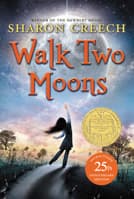
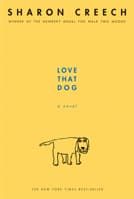
From Sharon Creech, the Newbery Medal winning author of Walk Two Moons , comes a heartwarming adventure about finding family, and a home, when you least expect it. Ruby Holler is a Carnegie Medal-winning novel, and with its quirky protagonists and exciting journey, captures the imaginations of readers of all ages. Brother and sister Dallas and Florida are the "trouble twins." In their short thirteen years, they've passed through countless foster homes, only to return to their dreary orphanage, Boxton Creek Home. Run by the Trepids, a greedy and strict couple, Boxton Creek seems impossible to escape. When Mr. Trepid informs the twins that they'll be helping old Tiller and Sairy Morey go on separate adventures, Dallas and Florida are suspicious. As the twins adjust to the natural beauty of the outdoors, help the Tillers prepare for their adventures, and foil a robbery, their ultimate search for freedom leads them home to Ruby Holler. This description may be from another edition of this product.
Winner of the 1995 Newbery Medal, Sharon Creech once had this advice for future Newbery winners: ""Take a deep breath. You will have about 30 minutes between the call announcing your book is the winner and the onslaught of complete chaos. You won't know what hit you, but get ready: You're going on the ride of your life.""
I read this book after it arrived as a gift for my daughter. It is a fun story about sad events...but with a great ending. Twins are dropped off at a disgraceful home for orphans and suffer through many years in this home. Never do the twin loose their sense of humor or their bond. Eventually, good things happen and the twins must learn to trust. The adventures that ensue are delightful and almost real. It was an enjoyable read.
0
★★★★★
THE BOOK OF RUBY HOLLER
By Thriftbooks.com User, November 30, 2005
Ruby Holler is about two orphans that can't seem to find a a good home. Their names are Dallas and Florida and every one they go to sends them back to the Boxton Creek Home because they broke a rule or they do some thing really bad. One day Mr. and Mrs.Trepid get these to srangers to come in,and they wanted to adopt them, but Florida is not eady to leave. The strangers tell them their names which are Tiller and Sairy . Tiller hands Florida a blue pamphlet, and then Sairy handed Dallas a red pamphlet. The old couple decides to give the children their first real home in a long time. Read to find out the end of this story. (...)
0
★★★★★
Ruby Holler is the opposite of putrid.
By Thriftbooks.com User, December 11, 2004
Picture the worst environment you've ever known -- where you felt no love or concern for your well being. Now picture what might seem like paradise -- a place where you can run and scream and grow up while making the mistakes that all kids do. You'd wake up to the smell of bacon and hear the kindly voices of the two old folks who took you both in for the summer. You'd set your hands to learning how to whittle and understand what camping outside is really like. This place you'd be imagining is Ruby Holler, and it seems pretty nice. However, can you (Dallas and your twin sister Florida) trust it? Your plan, should things go downhill as they always do, is to catch the night train. How long will things seem to go well before you two need to abandon this place? Or is there anything happening in this sleepy old place that makes you think you're needed here after all?
0
★★★★★
Creech has done it again!!
By Thriftbooks.com User, August 16, 2002
Ruby Holler was a great book. You end up feeling so close to the main characters Florida and Dallas. Creech is so good at describing her character's experiences and emotions, making the reader feels so fond of them. I love how she writes about relationships with a little bit of drama, mystery and humor thrown in.
0
★★★★★
Newbery Honor? Possibly.
By Thriftbooks.com User, June 22, 2002
This is a great book by Newbery Medal winning author Sharon Creech.The story is about 13-year-old twins Dallas and Florida who live at the Boxton Creek Home Orphanage, run by the awful Trepids. They have lived at many foster homes but always brought back to the orphanage. "Nothing but trouble," the adoptive parents say. "Nothing but trouble." That's how they became "the trouble twins".Tiller and Sairy are a 60-year-old couple whose kids are long gone. They want to go on an adventure while their bodies are still strong enough to climb a mountain, etc. Tiller and Sairy find Dallas and Florida at the Boxton Creek Home and take them on adventures.Sharon Creech's latest book is bound to enchant lovers of "Bloomability", "Absolutely Normal Chaos", "Chasing Redbird", and "Love That Dog", some of her other novels. Be sure to read this.It is definitely Newbery material. I strongly recommend it.
Reading aloud isn't just for kids. Everyone benefits from the simple, calming act of picking up a book and enjoying a story together. It is especially important in this age of frantic, electronic, distraction. We have become so accustomed to the constant cacophony of our devices, we forget how important it is to unplug.