


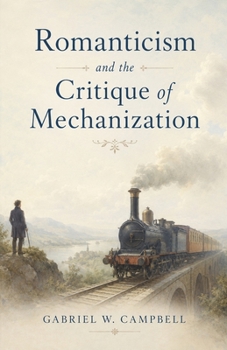
Romanticism and the Critique of Mechanization

Romanticism emerged in Europe during the late eighteenth and early nineteenth centuries as one of the most ambitious intellectual and artistic revolts in modern history. It was not merely a literary movement, nor simply an aesthetic preference for sublime landscapes or expressive emotion. Romanticism constituted a profound reorientation of human consciousness, a counter-modernity that challenged the accelerating mechanization of life and the reduction of the world to quantifiable processes. At its core, Romanticism was a spiritual protest. It arose from the conviction that industrialization and the mechanistic worldview accompanying it represented not only an economic or technological transformation but a crisis of the human soul. The poets, philosophers, and artists who shaped Romanticism believed that something essential-something sacred-was being lost as machines multiplied, cities expanded, and rationalist systems sought to explain, categorize, and ultimately dominate nature and human beings alike.
Related Subjects
HistoryCustomer Reviews
ThriftBooks ® and the ThriftBooks ® logo are registered trademarks of Thrift Books Global, LLC
