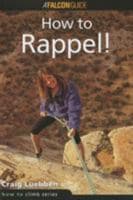
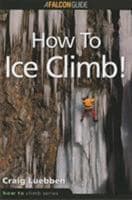
* Author was an American Mountain Guide Association (AMGA) certified rock guide and instructor* Learning exercises reinforce key skills* Step-by-step technique illustrated in over 150 photosCraig Luebben taught rock climbing basics to hundreds of clients and has conducted self-rescue clinics across the U.S. Here he presents the most common foot positions, hand grips, and body positions and how to use them precisely, from the smear to the crimp to the twistlock. Going beyond static moves, he emphasizes a dynamic style of movement for the greatest climbing efficiency-a style that makes the most of your strength and your time on the rock. With an emphasis on safety and how to stay within your abilities, Luebben teaches how to evaluate potential hazards and then avoid them. Topics addressed include: risk management, face climbing, crack climbing, gear, knots, anchors, belaying, toproping, sport climbing, trad climbing, multi-pitch free climbs, rappelling, aid climbing, bouldering, training, and self-rescue. Craig Luebben guided professionally for more than twenty years. The author of How to Rappel!, How to Ice Climb!, and other titles, he also wrote for magazines including Climbing and Rock & Ice. He opened many new routes on four continents.Part of the Mountaineers Outdoor Expert series.
that the best instructions you get from Luebben and the skills you acquire are no match for Mother Nature. Craig Luebben is dead after being hit by debris from falling ice in the North Cascades 2009.
0
★★★★★
Pretty good overview of everything
By Thriftbooks.com User, August 13, 2009
This book covers all the basics from climbing techniques for all sorts of different types of climbing, such as face climbing, crack climbing, etc, to how to sport and trad climb. I use it a lot to refresh my memory on different types of nots used in building anchors and how to get off belay to potentially help the second climber coming up. I also learned lots about different types of top belaying. It doesn't always contain intricate details of everything, but for that there are the individual books dedicated to specific aspects of climbing from the same publisher.
0
★★★★★
Best basic book on rock climbing
By Thriftbooks.com User, January 1, 2008
Guide, author and climbing gear inventor Craig Luebben's book won a National Outdoor Book award and it's well deserved. For anyone taking up rock climbing, or wanting to bring their knowledge up-to-date this is the book to start with. It's well organized and well-illustrated. Luebben starts the basics of pure climbing - footwork, holds and jams along with special climbing challenges like chimneys and off-widths (he's the Yoda of off-width climbing). Then he covers the gear you'll need like shoes, harness and ropes. He describes basic climber knots and working with ropes and slings. Then he talks about protection, natural and man-made. He tells you how to build anchors and keep your partner safe with proper belaying technique. He covers top-roping, sport climbing and the basics of traditional climbing including the approach, route-finding, setting pro and the physics and psychology of leading.. Later chapters introduce multi-pitch free climbing, descending and rappelling, bouldering and training for climbing. The concluding chapter explains how to avoid turning your climb into an epic by learning basic self-rescue techniques. This is by far the best, most up-to-date book on basic rock climbing. After you've read it (more than once) and practiced the skills he describes, get Luebben's book on building climbing anchors. Bill Becher
0
★★★★★
Excellent How-to Book for Climbers
By Thriftbooks.com User, February 9, 2007
Buy it, read it, use it! Mastering Basic Skills should be purchased at the same time as one's first pair of rock shoes. This book is as comprehensive as Freedom of the Hills but written for the rock climbing niche. It delivers a full spectrum of skills and knowledge every climber should develop. From placing protection to footwork to knots and anchors to self-rescue techniques, it's in there. The way information is parceled makes the entire book easy to comprehend, and to consult topic by topic. It's illustrated throughout with crisp photos. Receiving the benefit of the author's guide experience is a bonus; he's added advanced tips and exercises, as well as his own insights. This makes the material less dry, more practical and personal. If you've mastered everything in Mastering Basic Skills, you truly are an advanced climber. Chances are good, though, that plenty of climbers who've been at it for while could learn something from this book, too.
0
★★★★★
Basic climbing Skills in a clear and accessible format
By Thriftbooks.com User, January 12, 2005
Craig Luebben's new book represents a huge leap forward in climbing skills manuals. Though many excellent skills manuals exist (including Luebben's past works and the vaunted but unweildy Freedom of the Hills which goes beyond rock climbing into aplinism and mountaineering) this manual really sepetrates itself with its patient explanations and particularly with its photo instructions with added graphics for clarity. Many books of this genre have struggled with the clarity involved with diagramming knots and sysytems and Craig obviously went to great lengths to rectify this issue. The book is organized well and is easy to follow. It is nice to have these smaller manuals which focus on a specific discipline in the sport. As a climbing guide and instructor I am frequently asked to suggest learning manuals. This one will now be at the top of the list.