


All Formats & Editions

Rights of Man
Rights of Man , written by Thomas Paine , is a seminal work of political philosophy that has been highly influential in the development of modern democracy. Published in 1791, the book argues that all individuals are born with certain natural rights and that governments are created...

Rights of Man
Rights of Man (1791), a book by Thomas Paine, including 31 articles, posits that popular political revolution is permissible when a government does not safeguard the natural rights of its people. Using these points as a base it defends the French Revolution against Edmund Burke's...

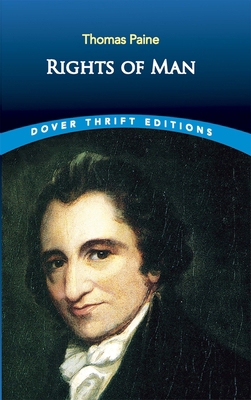
Rights of Man
One of the most influential writers and reformers of his age, Thomas Paine successfully publicized the issues of his time in pamphlets that clearly and persuasively argued for political independence and social reform. Rights of Man, his greatest and most widely read...
The Rights of Man (Hackett Classics)
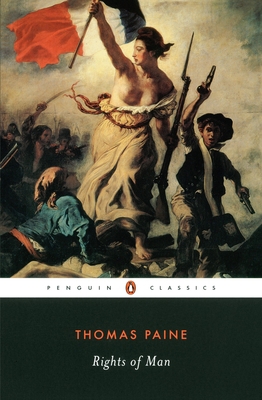
Rights of Man
One of the great classics on democracy, Rights of Man was published in England in 1791 as a vindication of the French Revolution and a critique of the British system of government. In direct, forceful prose, Paine defends popular rights, national independence, revolutionary...

The Rights of Man (Hackett Classics)

Rights of Man (Annotated)
The Rights of Man
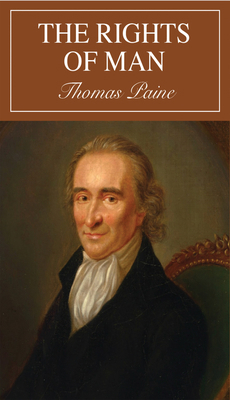
In The Rights of Man, Thomas Paine not only claimed the people had the right to overthrow a government that doesn't recognize the natural rights of its citizens, it also advocated a welfare system that provided employment opportunities, child support, public education, and assistance...
The Rights of Man
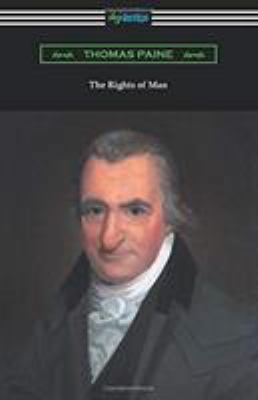
Originally published in two parts in 1791 and 1792, "The Rights of Man" is Thomas Paine's defense of the French Revolution in response to Edmund Burke's criticism in "Reflections on the Revolution in France." A classic work of The Age of Enlightenment, "The Rights of Man"...

The Rights of Man (Hackett Classics)

Rights of Man
Written in part as a theoretical reply to the stodgy conservatism of Edmund Burke's Reflections on the French Revolution (1790), Paine's Rights of Man (1791-92) sets forth a manifesto of popular democratic rule in the established tradition of John Locke and Jean-Jacques Rousseau...

The Rights of Man - A Revolutionary Defense of ...
One of the most powerful and influential defenses of individual liberty and democratic government ever written, The Rights of Man remains a defining work of political philosophy. Written in response to Edmund Burke's criticism of the French Revolution, Thomas...

The Rights of Man: Thomas Paine
The Rights of Man: Thomas Paine. The astonishment which the French Revolution has caused throughout Europe should be considered from two different points of view: first as it affects foreign peoples, secondly as it affects their governments. The cause of the French people is...

The Rights of Man
Among the incivilities by which nations or individuals provoke and irritate each other, Mr. Burke's pamphlet on the French Revolution is an extraordinary instance. Neither the People of France, nor the National Assembly, were troubling themselves about the affairs of England,...

The Rights of Man
Rights of Man is a classic statement of the belief in humanity's potential to change the world for the better. Published as a reply to Burke's Reflections on the Revolution in France, it differs from that great work in every relevant respect. Where Burke uses the language of...

The Rights of Man
One of Paine's greatest and most widely read works, considered a classic statement of faith in democracy and egalitarianism, defends the early events of the French Revolution, supports social security for workers, public employment for those in need of work, abolition of laws...
The Rights of Man
First published in two parts in March 1791 and February 1792, Thomas Paine's The Rights of Man posits that popular political revolution is permissible when a government does not safeguard the natural rights of its people. Radical in his philosophy, Paine believed that government...

ThriftBooks ® and the ThriftBooks ® logo are registered trademarks of Thrift Books Global, LLC
