


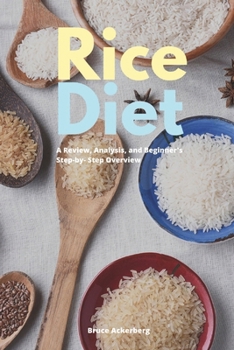
Rice Diet: A Review, Analysis, and Beginner's Step by Step Overview

Select Format
Select Condition 
Book Overview
Chronic conditions like high blood pressure, type 2 diabetes, and heart disease now shape the daily lives of millions of people. Many of them are searching for a simple, food-first way to take back some control. The Rice Diet is one of the oldest and most studied answers to that search.
Dr. Walter Kempner developed the Rice Diet at Duke University in the 1930s to help patients with hypertension. Built around rice, fruits, and vegetables, it is low in sodium, low in fat, and moderate in protein. Decades later, people still turn to it to support healthier blood pressure, steadier blood sugar, better cholesterol numbers, and lasting weight loss.
This guide gives you an honest review of how the diet works, what the research says, and where its limits are. Then it walks you through getting started, one step at a time.
What You Will Find InsideWhat chronic disease is, its common symptoms, and the main causes and risk factorsHow chronic conditions are diagnosed and treated, and the lifestyle changes that support medical careThe history of the Rice Diet and the scientific evidence behind itThe core principles of the diet, plus its real benefits and disadvantagesCommon challenges, practical solutions, and tips for long-term successA 5-step plan for getting started, from stocking your kitchen to tracking progressA clear breakdown of all three phases of the Rice Diet and how they fit togetherLists of foods to eat and foods to avoidHow to adjust the plan for diabetes, hypertension, and gluten intoleranceSample menus and easy recipes, including Garbanzo Stew, Tilapia Jasmine Rice, and Yellow RiceAnswers to the most common questions about the dietWho This Guide Is ForThis guide is written for beginners. You do not need a nutrition background or special equipment. If you have been told to cut back on salt, want a structured way to lose weight, or simply want to eat more whole, unprocessed foods, you will find a realistic starting point here.
It is also useful if you have heard of the Kempner diet or the Rice Diet Report and want a balanced overview before you commit. Each section explains the reasoning behind the rules, so you can make informed choices instead of following a plan blindly.
A Balanced, Step-by-Step ApproachThe Rice Diet is not a quick fix, and it is not right for everyone. That is why this guide covers the drawbacks as openly as the benefits and encourages you to talk with your healthcare provider before making major changes. With that support in place, the plan offers a simple structure, familiar foods, and a proven history to build on.
If you are ready to eat simply, lower your sodium, and build habits that support your long-term health, this guide will show you where to begin.
Customer Reviews
ThriftBooks ® and the ThriftBooks ® logo are registered trademarks of Thrift Books Global, LLC
