


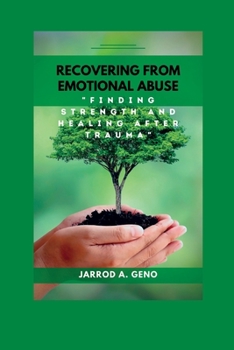
Recovering from Emotional Abuse: Finding Strength and Healing After Trauma
No Customer Reviews

WHAT IS THAT MOST HEAVIEST THING THAT'S BOTHERING YOUR MIND?
Recovering from emotional abuse can be a long and difficult process, but it is possible with time, self-care, and support from trusted friends and professionals. Here are some steps that may help in the recovery process: Acknowledge the abuse: Recognize that what you experienced was abuse and that it is not your fault. Seek support: Talk to a therapist or counselor who can help you work through your experiences and emotions. Consider joining a support group for survivors of emotional abuse. Practice self-care: Engage in activities that help you relax and recharge, such as exercise, meditation, or hobbies. Set boundaries: Learn to say "no" to people and situations that are not healthy for you, and protect yourself from further abuse. Challenge negative thoughts: Emotional abuse can lead to low self-esteem and negative self-talk. Work with a therapist to identify and challenge these thoughts. Foster healthy relationships: Surround yourself with positive, supportive people who respect and value you. Be patient: Recovery is a process, not a destination. It may take time to heal and feel like yourself again, but with persistence and support, you can get there. Here are some additional steps that may be helpful in recovering from emotional abuse: Find healthy coping mechanisms: Find healthy ways to manage your emotions and stress, such as journaling, therapy, or physical activity. Rebuild self-esteem: Emotional abuse can severely impact a person's self-esteem. Focus on your strengths and accomplishments, and engage in activities that bring you joy and a sense of accomplishment. Forgive yourself and the abuser: Forgiving the abuser does not excuse their behavior, but it can help to reduce feelings of anger, resentment, and bitterness. Forgiving yourself is also important, as it allows you to move on from the past and not dwell on feelings of guilt or self-blame. Focus on the present: While it's important to acknowledge and process your experiences, it's also crucial to focus on the present and create a positive future for yourself. Seek justice: If the abuser is still in your life and continues to abuse you, consider seeking legal or protective measures to ensure your safety and well-being. Stay away from the abuser: Maintaining contact with the abuser can be detrimental to your recovery and healing. Consider cutting ties and avoiding contact, especially if the abuse continues. Remember, recovery from emotional abuse is a journey, and it's important to take it one step at a time. Seek support from friends, family, and mental health professionals as needed.
Recovering from emotional abuse can be a long and difficult process, but it is possible with time, self-care, and support from trusted friends and professionals. Here are some steps that may help in the recovery process: Acknowledge the abuse: Recognize that what you experienced was abuse and that it is not your fault. Seek support: Talk to a therapist or counselor who can help you work through your experiences and emotions. Consider joining a support group for survivors of emotional abuse. Practice self-care: Engage in activities that help you relax and recharge, such as exercise, meditation, or hobbies. Set boundaries: Learn to say "no" to people and situations that are not healthy for you, and protect yourself from further abuse. Challenge negative thoughts: Emotional abuse can lead to low self-esteem and negative self-talk. Work with a therapist to identify and challenge these thoughts. Foster healthy relationships: Surround yourself with positive, supportive people who respect and value you. Be patient: Recovery is a process, not a destination. It may take time to heal and feel like yourself again, but with persistence and support, you can get there. Here are some additional steps that may be helpful in recovering from emotional abuse: Find healthy coping mechanisms: Find healthy ways to manage your emotions and stress, such as journaling, therapy, or physical activity. Rebuild self-esteem: Emotional abuse can severely impact a person's self-esteem. Focus on your strengths and accomplishments, and engage in activities that bring you joy and a sense of accomplishment. Forgive yourself and the abuser: Forgiving the abuser does not excuse their behavior, but it can help to reduce feelings of anger, resentment, and bitterness. Forgiving yourself is also important, as it allows you to move on from the past and not dwell on feelings of guilt or self-blame. Focus on the present: While it's important to acknowledge and process your experiences, it's also crucial to focus on the present and create a positive future for yourself. Seek justice: If the abuser is still in your life and continues to abuse you, consider seeking legal or protective measures to ensure your safety and well-being. Stay away from the abuser: Maintaining contact with the abuser can be detrimental to your recovery and healing. Consider cutting ties and avoiding contact, especially if the abuse continues. Remember, recovery from emotional abuse is a journey, and it's important to take it one step at a time. Seek support from friends, family, and mental health professionals as needed.
Format:Paperback
Language:English
ISBN:B0BVNVPJ8T
ISBN13:9798376686867
Release Date:February 2023
Publisher:Independently Published
Length:38 Pages
Weight:0.14 lbs.
Dimensions:0.1" x 6.0" x 9.0"
Customer Reviews
0 rating
Copyright © 2026 Thriftbooks.com Terms of Use
| Privacy Policy | Do Not
Sell/Share My Personal Information | Cookie Policy | Cookie Preferences | Accessibility Statement
ThriftBooks® and the ThriftBooks® logo are registered trademarks of Thrift Books Global, LLC
ThriftBooks® and the ThriftBooks® logo are registered trademarks of Thrift Books Global, LLC
