


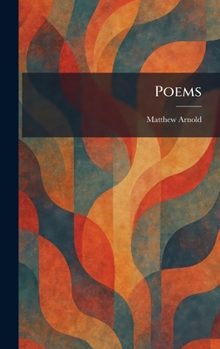
Poems

"Poems" by Matthew Arnold represents a definitive collection of verse from one of the most significant intellectual figures of the Victorian era. As both a poet and a cultural critic, Arnold used his poetry to explore the profound tensions of the 19th century, bridging the gap between Romantic idealism and the burgeoning modern world. This volume showcases his mastery of the English language, characterized by a refined, elegiac style and a deep engagement with the philosophical dilemmas of his day.
The collection includes some of the most celebrated works in the English canon, such as the poignant "Dover Beach," which captures the uncertainty of faith in an age of scientific progress, and the pastoral beauty of "The Scholar-Gipsy." Arnold's narratives, including the epic "Sohrab and Rustum," demonstrate his ability to weave classical form with intense emotional resonance. His work frequently touches upon themes of human isolation, the serenity of nature, and the struggle for personal integrity in a changing society.
Essential for lovers of classic literature, "Poems" serves as an enduring testament to Arnold's influence on the Western literary tradition. It remains a vital work for those seeking to understand the melancholy, the grace, and the moral weight of Victorian poetry.
This work has been selected by scholars as being culturally important, and is part of the knowledge base of civilization as we know it. This work was reproduced from the original artifact, and remains as true to the original work as possible. Therefore, you may see the original copyright references, library stamps (as most of these works have been housed in our most important libraries around the world), and other notations in the work.
This work is in the public domain in the United States of America, and possibly other nations. Within the United States, you may freely copy and distribute this work, as no entity (individual or corporate) has a copyright on the body of the work.
As a reproduction of a historical artifact, this work may contain missing or blurred pages, poor pictures, errant marks, etc. Scholars believe, and we concur, that this work is important enough to be preserved, reproduced, and made generally available to the public. We appreciate your support of the preservation process, and thank you for being an important part of keeping this knowledge alive and relevant.
Customer Reviews
ThriftBooks ® and the ThriftBooks ® logo are registered trademarks of Thrift Books Global, LLC
