


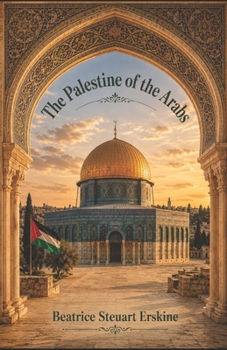
Palestine of the Arabs

Palestine of the Arabs examines Palestine during the late Ottoman and early British Mandate periods from the perspective of its Arab inhabitants. Steuart seeks to document the social, cultural, economic, and political life of the Palestinian Arab population at a time of significant change. The work emphasizes that Palestine was not an empty or undeveloped land, but rather a society with established towns, villages, agricultural systems, and traditions.
The book describes the daily lives of Palestinian Arabs, including farming practices, trade, family structures, religious customs, and local governance. It highlights the diversity of the population, which included Muslims, Christians, and other communities living across urban and rural settings. Steuart portrays the strong attachment of the Arab population to the land through generations of cultivation, residence, and cultural continuity.
A central theme is the impact of political developments on Palestinian society. The book discusses the growing influence of Zionist immigration and land purchases during the early twentieth century, presenting these developments as sources of increasing tension between Jewish settlers and the Arab population. Steuart argues that these changes affected patterns of land ownership, employment, and political relations, contributing to Arab concerns about displacement and the future of their homeland.
Related Subjects
HistoryCustomer Reviews
ThriftBooks ® and the ThriftBooks ® logo are registered trademarks of Thrift Books Global, LLC
