


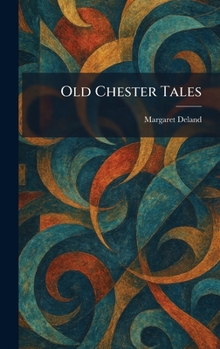
Old Chester Tales

Select Format
Select Condition 
Book Overview
"Old Chester Tales" is a celebrated collection of short stories by Margaret Deland that captures the quiet, intricate rhythms of life in a fictional 19th-century Pennsylvania community. Through a series of interconnected narratives, Deland explores the moral dilemmas, social nuances, and deep-seated traditions of a town where everyone knows their neighbor. At the heart of these stories is the beloved figure of Dr. Lavendar, the wise and compassionate clergyman who often serves as the moral compass for the residents of Old Chester.
The collection is renowned for its vivid characterizations and its sensitive portrayal of human nature. Deland masterfully balances humor and pathos, examining themes of duty, redemption, and the complexities of the human heart. Each story provides a window into a bygone era, offering a nostalgic yet insightful look at the domestic and social challenges faced by the townspeople. "Old Chester Tales" remains a cornerstone of American regional realism, valued for its psychological depth and its mastery of the short fiction form. Readers will find themselves transported to a world where the small-scale stakes of everyday life are treated with profound respect and literary grace.
This work has been selected by scholars as being culturally important, and is part of the knowledge base of civilization as we know it. This work was reproduced from the original artifact, and remains as true to the original work as possible. Therefore, you may see the original copyright references, library stamps (as most of these works have been housed in our most important libraries around the world), and other notations in the work.
This work is in the public domain in the United States of America, and possibly other nations. Within the United States, you may freely copy and distribute this work, as no entity (individual or corporate) has a copyright on the body of the work.
As a reproduction of a historical artifact, this work may contain missing or blurred pages, poor pictures, errant marks, etc. Scholars believe, and we concur, that this work is important enough to be preserved, reproduced, and made generally available to the public. We appreciate your support of the preservation process, and thank you for being an important part of keeping this knowledge alive and relevant.
Related Subjects
Fiction History Literary Literary Criticism & Collections Literature Literature & FictionCustomer Reviews
ThriftBooks ® and the ThriftBooks ® logo are registered trademarks of Thrift Books Global, LLC
