
Skip to content
Scan a barcode
Scan
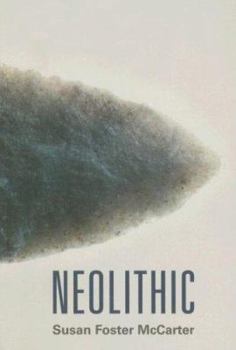
Paperback Neolithic Book

ISBN: 0415364140

ISBN13: 9780415364140

Neolithic

Select Format

Select Condition ThriftBooks Help Icon

Recommended

Format: Paperback

Condition: New

$58.95
50 Available
Ships within 2-3 days

Book Overview

This excellent introductory textbook describes and explains the origins of modern culture- the dawn of agriculture in the Neolithic area.

Written in an easy-to-read style, this lively and engaging book familiarises the reader with essential archaeological and genetic terms and concepts, explores the latest evidence from scientific analyses as varied as deep sea coring, pollen identification, radiometric dating and DNA research, condensing them into an up-to-date academic account, specifically written to be clear even the novice reader.

Focusing primarily on sites in southwest Asia, Neolithic addresses questions such as:

Which plants and animals were the first to be domesticated, and how? How did life change when people began farming? What were the first villages like? What do we know about the social, political and religious life of these newly founded societies? What happened to human health as a result of the Neolithic Revolution?

Lavishly illustrated with almost a hundred images, this enjoyable book is an ideal introduction both for students of archaeology and for general readers interested in our past.

Customer Reviews

2 ratings

an ideal introduction to the greatest transition in human history

This is one of those books that can open the reader's eyes onto a massively important era in human development. The neolithic age began approximately 10,000 years ago, marking the end of the 2 million year-old hunter-gatherer societies. The change was absolutely immense, in that humans began to raise their own food, became sedentary, and developed in outline the societies that have survived to the current day. In McCarter's hands, we gain an overview of the major areas of this transformation. She writes as a scientist who can address a popular audience, at a high undergraduate level. While avoiding long debates or esoteric descriptions of significant artifacts, she goes over the essentials in a level of detail and complexity that keeps the reader going, indeed, that whets the appetite for seeking more - that is the surest sign of success in any reading experience. Every single page is chock full of ideas and descriptions that add to a comprehensive view of the age. The book is divided into digestible sections, beginning with a description of the scientific tools, from carbon dating through mendelian genetics and many others. While a bit brief, it makes for a dense introduction. She then addresses topics, including pottery, art, trade, society, architecture and concludes with a discussion on why the transition took place - interestingly, she refuses to sound definitive when the science will not support the conclusion. In each instance, she discusses with exceptional clarity the method employed to reach her conclusions, the reasons that past ideas were rejected, and the areas of continuing controversy. Finally, she respects the reader by holding to what can be scientifically known - she avoids facile generalizations or the tendentious junk interpretations that infect such popular sources as Wired magazine. What can be definitively analyzed in endlessly fascinating. For example, the domestication of animals led to fundamental adaptations in their appearance and behavior. The wolf was quickly inserted into west Asian settlements, often so altered that they have been judged as separate species; the same is true for pigs, cows, goats, and sheep. The mechanism for this change surprised me: it was via neotany, according to which offspring adopt younger genetic characteristics than those of their parents: shorter snouts, less dangerous horns, less sharp teeth, different brain capacity, etc. The animals apparently adapted from a combination of breeding, environmental pressure, and perhaps even human expectation. However, the animals were chosen for their compatibility in such areas as acceptance of hierarchical masters (human or their own kind), the ability to live in close quarters, etc. This will forever spark my imagination as I read about economics or study other societies. The author accomplishes the same thing in all the areas she addresses. Perhaps most fascinating, many of her conclusions are stunningly counter-intuit

Prehistory as You Need (and Want) to Know It

In this short but thorough book McCarter skillfully combines the scholarly and the readable. Her overview happily introduces the college student to the Neolithic Age, even as it clarifies and organizes the general reader's vague knowledge of that period. As a bonus, the author gives us throughout the text side boxes of fascinating related answers for questions we've always wondered about but couldn't quite formulate--for instance, why are there so many breeds of dogs and so few of cats?
Copyright © 2025 Thriftbooks.com Terms of Use | Privacy Policy | Do Not Sell/Share My Personal Information | Cookie Policy | Cookie Preferences | Accessibility Statement
ThriftBooks ® and the ThriftBooks ® logo are registered trademarks of Thrift Books Global, LLC

GoDaddy Verified and Secured