


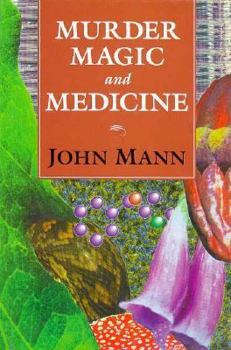
Murder, Magic, and Medicine

Select Format
Select Condition 
Book Overview
This absorbing account of the evolution of modern medicine from its roots in folk culture will entertain and inform both scientists and general readers alike. It explains the chemical basis of modern pharmacology, and provides a fascinating description of the use and abuse of natural products in various societies through the ages and how this largely trial-and-error process has led to the development of many of the drugs we now take for granted. Primitive cultures especially identified a wealth of edible and poisonous plants, and refined their use in practices related to hunting, healing, magic, religion, and warfare. Today, this heritage can be linked to the origin of such modern-day substances as hemlock and other notorious poisons, as well as to a range of psychoactive drugs like cocaine and LSD, and to beneficial pharmaceuticals including quinine, penicillin, and AZT. However many plant and animal species still remain undiscovered, and as the author notes, much native folk medicine has yet to be investigated. With the rapid destruction of many of the earth's natural resources, this book is particularly timely as these potentially valuable sources could be lost forever.
Format:Hardcover
Language:English
ISBN:019855561X
ISBN13:9780198555612
Release Date:August 1970
Publisher:Oxford University Press, Incorporated
Length:240 Pages
Weight:0.13 lbs.
Dimensions:0.8" x 6.4" x 9.5"
Customer Reviews
1 rating
Intriguing influence of plants and microoganisms on history.
Published by Thriftbooks.com User , 26 years ago
John Mann creatively links science and history together by referencing historical events, like the witch trials, to chemicals produced naturally by microorganisms, plants and animals. I use this book in an introductory science course to demonstrate how important natural products are in our society today -- whether the chemical is beneficial or deadly. Easy reading for the non-scientist, but factual enough for the scientist.
Copyright © 2026 Thriftbooks.com
Terms of Use | Privacy Policy | Do Not Sell/Share My Personal Information | Cookie Policy | Cookie Preferences | Accessibility Statement
ThriftBooks ® and the ThriftBooks ® logo are registered trademarks of Thrift Books Global, LLC
ThriftBooks ® and the ThriftBooks ® logo are registered trademarks of Thrift Books Global, LLC
