


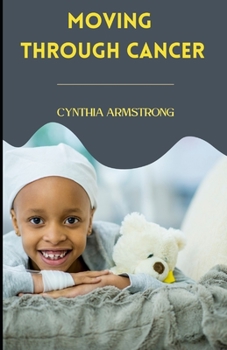
Moving Through Cancer: A strength training program and exercise for cancer prevention and recovery

Cancer is a large group of diseases that occur when abnormal cells divide rapidly and can spread to other tissue and organs. These rapidly growing cells may cause tumors. They may also disrupt the body's regular function.
Cancer is one of the leading causes of death in the world. According to the World Health Organization (WHO), cancer accounted for almost 1 in 6 deaths in 2020. Experts are working hard to test out new cancer treatments every day.
The main cause of cancer is mutations, or changes to the DNA in your cells. Genetic mutations can be inherited. They can also occur after birth as a result of environmental forces.
These external causes, called carcinogens, can include:
physical carcinogens like radiation and ultraviolet (UV) lightchemical carcinogens like cigarette smoke, asbestos, alcohol, air pollution, and contaminated food and drinking waterbiological carcinogens like viruses, bacteria, and parasitesAccording to the WHO, about 33 percent of cancer deaths may be caused by tobacco, alcohol, high body mass index (BMI), low fruit and vegetable consumption, and not getting enough physical activity.
Certain risk factors may increase your chance of developing cancer. These risk factors can include:
tobacco usehigh alcohol consumptionan unhealthy diet, characterized by red and processed meat, sugary drinks and salty snacks, starchy foods, and refined carbohydrates including sugars and processed grains, according to a 2017 reviewa lack of physical activityThe risk of developing cancer also increases with age. In general, the risk of developing cancer appears to increase until the age of 70 to 80 and then diminish, according to the National Cancer Institute (NCI). Cynthia Armstrong training program and exercise for cancer preventionCustomer Reviews
ThriftBooks ® and the ThriftBooks ® logo are registered trademarks of Thrift Books Global, LLC
