


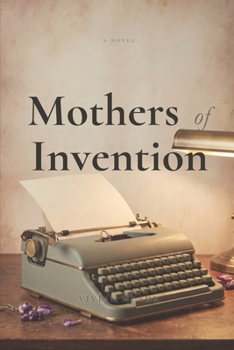
Mothers of Invention

Dayton, 1961. The women of the seventh-floor typing pool are hired to be seen and not heard - fast hands, blank faces, names no one bothers to learn. Ruth Kessler is the best of them, and the most invisible, because Ruth can fix anything with a motor and a fault, and has spent her whole life letting a man's name go on the work of her hands.
Then Ruth and the two women at the desks beside her build something small and quietly revolutionary: a mechanism that lets a typist correct her own mistakes, cleanly, the first time. They know exactly what it is worth. They also know exactly who the world of 1961 will permit to own it. So they do the only thing three working women can do - they file the patent under their supervisor's name, divide the secret between them, and tell no one.
Sixty years later, in the same city, Ruth's granddaughter Alice is emptying the house of a grandmother she never quite understood when she lifts the lid of a violet hatbox and finds a machine, a photograph, and the truth of what three women were never allowed to sign.
Told in two timelines that circle each other toward one quiet reckoning, Mothers of Invention is a novel about the women history forgot to credit - and what it costs, and what it means, to finally put their names back on the work.
Customer Reviews
ThriftBooks ® and the ThriftBooks ® logo are registered trademarks of Thrift Books Global, LLC
