


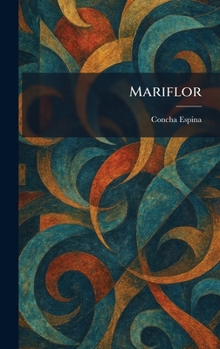
Mariflor

"Mariflor" is a poignant and evocative masterpiece of social realism that captures the stark beauty and harsh realities of life in the Maragater -a region of Spain. Written by the acclaimed author Concha Espina, the novel follows the journey of Florinda, known as Mariflor, as she returns to her ancestral village in the windswept plains of Le 3n. Faced with the crushing poverty of her family and the rigid traditions of a community where men are often absent, Mariflor finds herself at the heart of a profound struggle between personal desire and familial duty.
The narrative provides a vivid exploration of the "maragatas"-women who maintain the household and land with stoic endurance while adhering to centuries-old customs. Espina's lyrical prose and keen sociological insight bring to life a world defined by its isolation and its unique cultural heritage. As Mariflor navigates the complexities of love and sacrifice, the novel serves as a powerful testament to the resilience of the human spirit and a masterful portrayal of early 20th-century rural life. "Mariflor" remains a significant work in Spanish literature, celebrated for its emotional depth and its hauntingly beautiful depiction of a landscape and a people bound by tradition.
This work has been selected by scholars as being culturally important, and is part of the knowledge base of civilization as we know it. This work was reproduced from the original artifact, and remains as true to the original work as possible. Therefore, you may see the original copyright references, library stamps (as most of these works have been housed in our most important libraries around the world), and other notations in the work.
This work is in the public domain in the United States of America, and possibly other nations. Within the United States, you may freely copy and distribute this work, as no entity (individual or corporate) has a copyright on the body of the work.
As a reproduction of a historical artifact, this work may contain missing or blurred pages, poor pictures, errant marks, etc. Scholars believe, and we concur, that this work is important enough to be preserved, reproduced, and made generally available to the public. We appreciate your support of the preservation process, and thank you for being an important part of keeping this knowledge alive and relevant.
Customer Reviews
ThriftBooks ® and the ThriftBooks ® logo are registered trademarks of Thrift Books Global, LLC
