


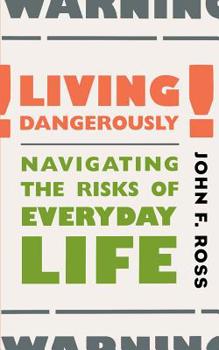
Living Dangerously

Revised
Format:Paperback
Language:English
ISBN:0738203211
ISBN13:9780738203218
Release Date:January 1
Publisher:Basic Books
Length:208 Pages
Weight:0.52 lbs.
Dimensions:0.7" x 5.4" x 8.3"
Customer Reviews
1 rating
How we consider everyday risks
Published by Thriftbooks.com User , 25 years ago
Americans do a poor job of measuring and reacting to the risks we face in our everyday lives. John Ross does a good job of explaining the basics of how risk can be measured and applies those basics to common situations in a science for non-scientist (or statistical for non-statisticians) kind of way. After dealing with risk in this manner, he moves on to more immediate and interesting topics of how we perceive risk and then react and overreact to perceived risks, often while ignoring or underreacting to some very real risks. Ross also discusses how we make tradeoffs in dealing with some risks that result in taking on new risks in other areas that are more serious than the ones we commonly find unacceptable.The author points out that Americans almost universally believe they are exposed to more risks today than their grandparents were exposed to, yet we are living much longer and healthier lives. Anyone overwhelmed with putting the constant stream of risk stories from television, newspapers and magazines into context could benefit from Ross' interesting and readable treatment of the subject.
Copyright © 2026 Thriftbooks.com
Terms of Use | Privacy Policy | Do Not Sell/Share My Personal Information | Cookie Notice | Cookie Preferences | Accessibility Statement
ThriftBooks ® and the ThriftBooks ® logo are registered trademarks of Thrift Books Global, LLC
ThriftBooks ® and the ThriftBooks ® logo are registered trademarks of Thrift Books Global, LLC
