


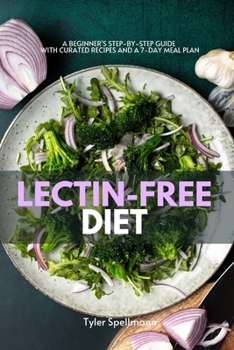
Lectin-Free Diet: A Beginner's Step-by-Step Guide with Curated Recipes and a 7- Day Meal Plan

Lectins are carbohydrate-binding proteins that are naturally occurring in a variety of foods like cereals, fruit, vegetables, and animal products. Although lectins are not specifically categorized into a certain classification, they have characteristics that set them apart from other proteins.
Some kinds of lectins like ricin, commonly found in castor bean, are highly toxic and can be fatal to the human body even though only a small amount is ingested. On the other hand, lectins like phytohaemagglutinin and concanavalin A, stick to red blood cells and act as lymphocyte mitogens, which triggers the reproduction of lymphocytes, a type of white blood cell responsible for aiding the immune system in combatting diseases.
Some studies, however, showed that lectins interfere with the absorption of nutrients because they stick to the gut of mammals, causing inflammation and adjustment of the immune function. These studies led to the formulation of a diet that excludes the consumption of lectin-rich food.
In this guide, you will learn about the following nitty-gritty of the lectin-free diet: Lectins? Maybe toxins Why your stomach will be happy if you're taking all the lectin awayWhy you cannot be a choosy eater when doing this dietThe importance of planning your meals ahead of timeHow to be a master lectin-free grocery shopperDiets are not only about the body, but they're also about the mindFree lectin-free recipes that will make you realize how much you should love yourself (by making healthy choices )Customer Reviews
ThriftBooks ® and the ThriftBooks ® logo are registered trademarks of Thrift Books Global, LLC
