


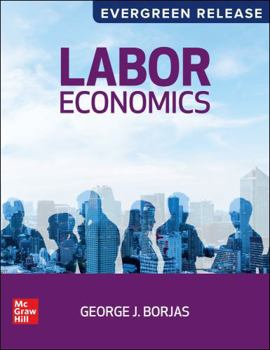
Labor Economics: 2027 Release

Labor Economics provides a modern introduction to the field, surveying labor markets with an emphasis on both theory and facts. Deliberately concise, the text emphasizes the economic way of thinking, helping students understand how workers and firms respond to changing incentives. Students explore the core models of labor supply, labor demand, and market equilibrium before applying them to wages, education, mobility, discrimination, unions, and unemployment while developing an understanding of both the contribution and limitations of empirical analysis rather than simply reading statistical results in a textbook. The latest research brings today's labor market into focus, with new discussions of artificial intelligence, immigration, and the evolving value of human capital. Updated Data Explorer exercises give students hands-on experience analyzing real-world labor market data, connecting economic theory to empirical evidence and the forces shaping the future of work.
Customer Reviews
ThriftBooks ® and the ThriftBooks ® logo are registered trademarks of Thrift Books Global, LLC
