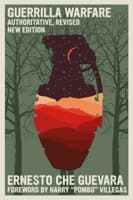
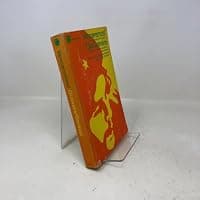
Excited to read it but wish the print wasn’t so small
By LJ, May 12, 2026
Verified Purchase
Excited to read but wish the font was a little bigger or at least had bigger margins for annotating.
0
★☆☆☆☆
Knock off copy of book
By VaSlimmm, December 3, 2025
Verified Purchase
5 blank pages. Font size is so tiny it would require a magnifying glass. Starts at page 11, ends at page 77. A 97 page book in print small enough to fit into 66 pages.
0
★★★★★
Good informational source
By Thriftbooks.com User, August 24, 2005
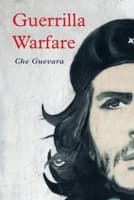
If you're like me and want to learn more about the mindsets of those participating in guerrilla warfare today, then this book is an excellent source of information. The problems we encounter throughout the world today cannot be rectified solely by blind force, but can only be solved by understanding the enemy. This is an excellent source for this type of insight into the minds of revolutionaries.
1
★★★★★
Understand guerilla warfare and Che's mentality.
By Thriftbooks.com User, March 28, 2004
One way that "Guerilla Warfare," can be considered is as a three point plan, with each text included in the book being a different part of the plan. The first part is the main text of the book, and discusses the tactics of a guerilla that begins in the country and builds strength until being able to fight with the regular army in standard battles. Che discusses propaganda, health care, education and industry that should be implemented in liberated territory as well as the roles of doctors and women in a guerilla war. This text is very clear and concise; Che takes all aspects of what would go into a guerilla army's territories and columns into consideration. He also makes the claim, at the beginning of the text that the necessary conditions for a revolution do not need to exist before the revolution, that the revolution itself can create them. This would seem to be a very encouraging claim for dissidents around the world, but one has to wonder whether Che's experiences in Congo and his capture and execution in Bolivia would contradict that claim. Both situations seemed to involve countries where the, "necessary conditions for a revolution," did not exist and were not created by Che's organization and recruiting.The second part of this book, "Guerilla Warfare, a Method," discusses what many accused Che of downplaying in the original text, the role of the urban guerillas in a social movement. He writes about how the guerillas would be covert operatives who are simply waiting for the signal to take action.The third part of the book contains one of Che Guevara's most famous works, "Message to the Tricontinental," where he discusses the need for "many Vietnams," meaning the need for the third world to begin rebelling en masse against the U.S. dictatorships of Che's time (not to imply that they are not still in place) and eventually against the American forces themselves. This is specifically seen when he makes a reference to coming face to face with an American soldier, who is armed with the most advanced equipment and will be ruthless. For me, this is the most inspirational work that I have ever read from Che Guevara; he makes it seem that rebellion is imminent and that it is only a matter of time before the people of the third world rise up against their American-installed governments.For those who would say that this type of warfare is ineffective, that it only worked in Cuba, I would use the Vietnam War, which the Vietnamese call the American War as a case in point to contradict that claim, where the Viet Cong were able to defeat the most powerful and imperialistic army in the world using guerilla warfare and popular support. Perhaps Che knew that victory would be the eventual outcome for them, and that was why he wanted to create so many, "Vietnams," throughout Latin America.This book is one of the most famous pieces of dissident literature ever written. If you are a Rage against the Machine fan you will probably have noticed that it is
1
★★★★★
Radical Chic at its Chicest
By Thriftbooks.com User, May 12, 2003
It's all so long ago. I remember sitting under an eucalyptus tree in Ethiopia in 1982 and listening to Marxist-Leninist Internationalism and how peasants who had never seen an industry or a capitalist were being exploited by the forces of imperialism. Reading the classic books of Che Guevara and his obsessive dreams of emancipation by guerillas, it is almost like an exposition on the devine rights of kings or a doctrine of a flat earth. But if you know the rest of the story about this man you expect all the things he says. It all fits in with the battle of Santa Clara, his dreams of turning the Congo into Cuba or inspiring Bolivian farmers to unite in the dream of transforming the old and corrupt into something beautiful and new. I think that this book should be a required part of a liberal education, not because it preaches bloody revolution but rather that Che Guevara is an icon of our times, martyred, mutilated and buried in a field by people who would never understand why he made the sacrifices he did or even what he wanted to say.
3
★★★★★
Not just a "how to" book
By Thriftbooks.com User, July 27, 1999
Most people feel the need to regard this book as an instruction manual. It was intended as such, but as a mature reader, one should take the context into account. This book embodies the spirit of a courageous warrior who's attributes all of us wish we had. This book is recomended not just for those aspiring to revolt against their oppressors, but those who wish to learn of the ideals of one of the greatest men ever born.