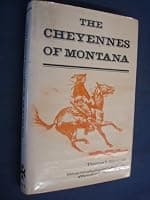
Written by a doctor who lives near the site of the Battle of Little Bighorn, this book follows the amateur historian's argument that many of the soldiers may have committed suicide because of an overwhelming terror of being captured and tortured by the Indians. Marquis presents compelling and very interesting historical data to support his claim--including evidence of point-blank gunshot wounds to the head found on skulls of the troopers--plus much information to support that soldiers believed that prisoners would suffer agonizing deaths. Marquis uses his familiarity with the Sioux culture to add additional context to the battle. I had not read any real historical analysis of the battle and this was a nice introduction. I later looked up some of Marquis' sources at the Library of Congress and confirmed some of his findings. Professional historians will probably quibble with Marquis, and certainly the book is not as rich in detail as other historical analyses of the battle (such as Son of the Morning Star: Custer and The Little Bighorn), but it still makes for a charming and informative study that was very enjoyable to read.
2
★★★★☆
A surprising Thesis about LITTLE BIG HORN "Massacre" !
By Thriftbooks.com User, June 8, 2000
Thomas B. MARQUIS had given Us a Biography of "Wooden Legs: A Warrior Who Fought Custer". This time, he presents Us a deep analysis of CUSTER's & RENO's mistakes on the Little Big Horn Battlefield... to throw it. But, he goes further and tries to explain the defeat... And so, we learn that the 7th Cavalry Troops were (very) Young (also see Douglas D. SCOTT, P. WILLEY and Melissa A. CONNOR's "They Died with Custer: Soldiers'Bones from the Battle of the Little Bighorn"), inexperienced and were soo influenced by the fear to be tortured by Indians warriors when captured, they prefered kill themself. MARQUIS' thesis sets on a serious investigation and, its demonstration is soo that if we are troubled, we may not reject it without carefullness. This book is a document very usefull to everybody tries to understand the defeat. To read... with the usual openmind, but to read urgently.
1
★★★★☆
Keep the last bullet for yourself
By Thriftbooks.com User, March 28, 2000
Good insight into the historical and strategic problems facing the American Indians regarding their weapons as well as problems the army faced. Mr. Marquis' conclusion that Custer's enemy was his own men's lack of experience and training, thus leading to the only way out for them is insightful and interesting.