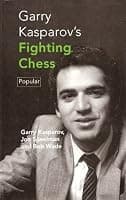
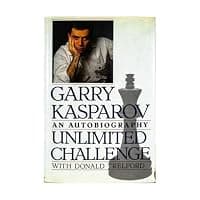
Garry Kasparov grew up in Baku, Azerbaijan (USSR) and became the youngest ever world chess champion in 1985 at the age of 22. He held that title until 2000. He retired from professional chess in March 2005 to found the United Civil Front in Russia, and has dedicated himself to establishing free and fair elections in his homeland.
An Intriguing Look into the Mind of One of the Greatest of All Time
By Thriftbooks.com User, August 13, 2009
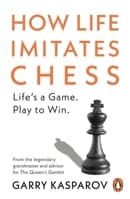
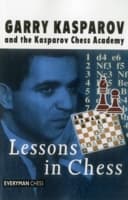
The value of reading chess principles directly from the mind of one of the best players of all time (perhaps the best ever) can not be overstated. Kasparov presents the full scope of his views on chess study, ideas, techniques, attacks, tactics, strategy, and many more elements. The chapters are short but direct and encompass specific examples of each of the principles Kasparov is discussing. Kasparov is not presenting ideas on end game play, combinations, or depth on openings; rather he is displaying what lines of thought a talented chess player should engage in among all facets of the game. The book will not make you a master player alone, but it certainly provides the elements of foundation to eventually reach that point. Knowing how Kasparov approaches chess will enable any chess player willing to follow his mindset to better handle complex positions. I recommend this book to any chess player looking to increase their rating and improve their thought process from opening to end game.