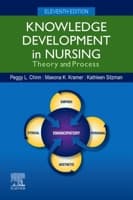
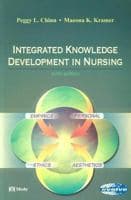
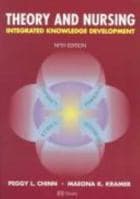
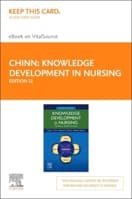
Practical and unique, Chinn and Kramer's Integrated Theory and Knowledge Development in Nursing, 8th Edition helps you understand how nursing theory and patterns of knowing complement each other to assist any nurse in making choices in research and practice. It examines various concepts of knowledge development, encouraging you to see the relationship between the different types of knowledge, reflect on important concepts, and explore how evidence-based nursing theory can be used to improve patient care.
See how theory can be applied to practice with integrated discussions of how to use evidence-based practice to improve the quality of care.
Gain a better understanding of the patterns of knowing and how they are all related with a full-color insert that demonstrates the fundamentals of knowing in a highly visual format.
Discussions of theory, theory development, and the relationship of theory to nursing research and practice help you to apply what you have learned to practice.
Master the essential features of conceptual frameworks with Interpretive Summaries that highlight exactly what you need to know.
Connect theory and knowledge to your own experience and everyday nursing practice with more exercises and examples of practical application.
Enhance your understanding with a totally revamped Evolve online resource, featuring a new animation, 20 case studies, an image collection, key points, dozens of new PowerPoint slides, Reflection and Discussion questions for each chapter, Take-Away Activities, web links, and more.
I took an interdisciplinary course taught by a nurse. This book was applicable to my field even though I'm not nursing. Great explanations of concepts for a student who has never studied nursing theory.
0
★★★★★
Great
By Thriftbooks.com User, April 5, 2009
Great service .. I have used this book on a daily bases for my class . Thanks for the speedy service
0
★★★★★
A brilliant text reflective of years of thinking, reflection, and nursing knowledge and practice
By Thriftbooks.com User, May 10, 2008
I have followed Peggy Chinn's work for many years and think this text reflects the value of her continued thinking, processing, and writing... This text represents her continued thinking, reflective, conceptualizations regarding nursing theory and the relevance to current nursing practice. The concept of "empancipatory knowing" is so relevant and, in my view, a brilliant description of a process of continued reflection and theoretical knowing....the conceptual processes through which expert nurses, literally, "come to know,"...an "in-depth knowing" of nursing phenomena, nursing process, and theory.... Where Chinn's text does not read like a Cherry Ames novel, it contains the "essence" and brilliance of her knowledge and thinking about nursing theory. It is a phenomenal text, as is her Peace and Power text. Chinn is truly one of the most brilliant thinkers, theorists, and peace practitioners in nursing that I have had the privelege of knowing. She talks very casually about nursing theory and peace processes inherent in nursing education and practice. I am grateful that I have had the pleasure of reviewing, using, critiqueing, and discussing, with her, the peace and process theory inherent in this work also. Peggy Chinn is truly a nursing theorist of substance and distinction. I am priveleged to have been able to "know" and, I think, "understand". I am very interested in continuing the discussions and dialogue.
0
★★★★☆
Personal review of Chinn and Kramer: Integ. Theory and Knowledge Devel. in Nsg.
By Thriftbooks.com User, February 26, 2008
This book was mandated by my masters program. It is well written and very interesting with tons of worthwhile information. It will change yours views, open your eyes and help you grow in your own practice.