


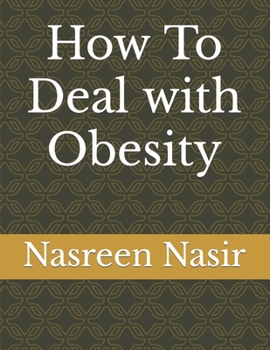
How To Deal with Obesity
No Customer Reviews

Obesity is a pressing global issue that has become more prevalent in recent years. It poses significant health risks, as individuals who are obese are more likely to suffer from heart disease, stroke, type 2 diabetes, certain cancers, and respiratory problems. Additionally, obesity can lead to high blood pressure, high cholesterol, and joint issues. Apart from the physical consequences, obesity also takes a toll on mental health. People with obesity often struggle with low self-esteem, depression, and anxiety. They may face discrimination and social stigma, which can lead to feelings of isolation and a diminished quality of life. The economic impact of obesity is substantial. The costs associated with treating obesity-related medical conditions, purchasing medications, hospitalizations, and surgeries can burden individuals, families, and healthcare systems. Moreover, the increasing rates of childhood obesity are a cause for concern. Obese children are at higher risk of developing chronic diseases early in life, and they are more likely to become obese adults, perpetuating the cycle of obesity. Unhealthy eating habits and sedentary lifestyles contribute to the obesity epidemic. The easy accessibility of fast food, marketing tactics, and food deserts make it challenging for individuals to maintain a balanced diet. Lack of physical activity due to sedentary jobs, reliance on technology, and limited access to safe spaces for exercise further exacerbate the problem. Moreover, obesity disproportionately affects disadvantaged populations, highlighting the dilemma of socioeconomic disparities in health outcomes. Lower-income individuals with limited access to healthy food options and safe recreational spaces are at a higher risk of obesity. Furthermore, environmental factors play a role in promoting obesity. Built environments that lack pedestrian infrastructure, safe parks, and recreational facilities discourage physical activity. Advertising and marketing practices that promote unhealthy food choices contribute to an obesogenic environment. Addressing the complex issue of obesity requires a comprehensive approach. Education, awareness, and promotion of healthy lifestyles are crucial. Policies that promote access to healthy, affordable food and safe recreational spaces need to be implemented. Additionally, community engagement and support are essential in fostering a healthier environment for individuals and communities affected by obesity. By acknowledging and understanding the multifaceted issues surrounding obesity, we can work towards implementing effective strategies to prevent and manage obesity, ultimately improving the overall health and well-being of individuals and society as a whole.
Format:Paperback
Language:English
ISBN:B0CMR14ZDZ
ISBN13:9798853665958
Release Date:August 2023
Publisher:Independently Published
Length:26 Pages
Weight:0.19 lbs.
Dimensions:0.1" x 8.5" x 11.0"
Customer Reviews
0 rating
Copyright © 2026 Thriftbooks.com
Terms of Use | Privacy Policy | Do Not Sell/Share My Personal Information | Cookie Policy | Cookie Preferences | Accessibility Statement
ThriftBooks ® and the ThriftBooks ® logo are registered trademarks of Thrift Books Global, LLC
ThriftBooks ® and the ThriftBooks ® logo are registered trademarks of Thrift Books Global, LLC
