


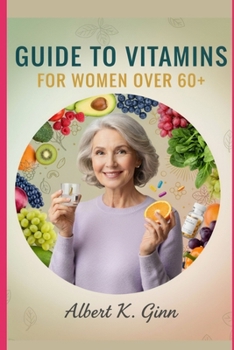
Guide to Vitamins for Women Over 60+
No Customer Reviews

Aging impacts our health and overall well-being. A key approach to maintaining good health as we grow older is by ensuring we obtain sufficient nutrients, such as vitamins and minerals.
Older adults face a higher risk of developing health issues due to changes in their bodies that come with aging. Vitamins and minerals are vital nutrients as they play a crucial role in supporting proper bodily functions, bolstering our immune system, and lowering the likelihood of chronic diseases that tend to increase with age. Additionally, seniors may experience deficiencies in vitamins and minerals based on how well their bodies process and absorb nutrients, as well as their dietary choices. For older individuals, it is essential to maintain a well-balanced and nutrient-dense diet rich in various vitamins and minerals to promote optimal health and well-being. Certain vitamins can enhance your immunity and maintain nerve health, while others assist in converting food into energy or ensuring proper blood clotting. By adhering to the Dietary Guidelines, you can obtain most of these vitamins through your diet. Just like vitamins, minerals also contribute significantly to your body's functionality.Format:Paperback
Language:English
ISBN:B0FWDVKCDW
ISBN13:9798269992587
Release Date:October 2025
Publisher:Independently Published
Length:76 Pages
Weight:0.25 lbs.
Dimensions:0.2" x 6.0" x 9.0"
Customer Reviews
0 rating
Copyright © 2026 Thriftbooks.com
Terms of Use | Privacy Policy | Do Not Sell/Share My Personal Information | Cookie Policy | Cookie Preferences | Accessibility Statement
ThriftBooks ® and the ThriftBooks ® logo are registered trademarks of Thrift Books Global, LLC
ThriftBooks ® and the ThriftBooks ® logo are registered trademarks of Thrift Books Global, LLC
