


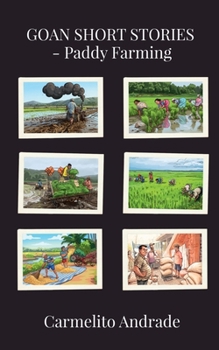
Goan Short Stories - Paddy Farming

For centuries, Goan agriculture was a symphony of manual labor. It was defined by the Khazan lands- ingenious reclaimed ecosystems where the tide was managed by wooden gates and the sweat of the Shetkar (farmer). In these stories, you will meet the ghosts of that era: the men who spoke to their water buffalo as if they were kin, and the women whose songs kept pace with the rhythmic planting of paddy. This was a time of deep intimacy with the earth, where every seed was tucked into the soil by hand, but it was also a time of back-breaking exhaustion and total vulnerability to the whims of the monsoon.
On the other side of the fence stands the new Goa. Here, the harvester replaces the sickle, and drones buzz over emerald canopies like giant, metallic dragonflies. Automation has brought a sense of liberation-a hope that the younger generation might return to the land without the physical toll that broke their grandfathers' spines. Yet, as the machine takes over, a different kind of silence settles over the fields.
It is important to note that the stories within these pages are works of fiction. The names, the specific villages, and the dramatic turns of fate are products of the imagination. However, while the characters may not be "real," the emotions they navigate are deeply authentic.
Welcome to the fields. Mind your step; the mud is deeper than it looks.
Customer Reviews
ThriftBooks ® and the ThriftBooks ® logo are registered trademarks of Thrift Books Global, LLC
