ISBN: 1586420054
ISBN13: 9781586420055
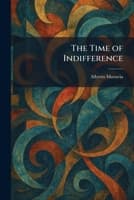
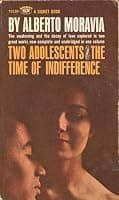
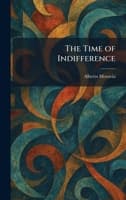
The Time of Indifference
ISBN: 1586420054
ISBN13: 9781586420055
Formats
Conditions
Formats
Conditions
As my review title indicates, I think of this novel as a an existential soap opera. It has tawdry romances, dramas, intrigues, centering mostly around shallow characters with predictable emotions. But through the main character, Michele, Moravia explores contemporary trends in modern Western culture, society, and thought. So this book is both a pleasantly engaging page-turner and a pleasantly engaging intellectual treat. It's still not as good as Moravia's later works, particularly Boredom and The Conformist, in sexiness, intelligence, or originality. But I still highly recommend it.
Five people of the Roman middle class interact in this novel. Mariagrazia Ardengo, the mother, will not give up her pretensions though financially ruined and without hope for the future. She has two children, both in their twenties. Carla, who is bored with her present life, wants to change it drastically and overnight. Michele, who shows the indifference of the book's title, cannot get aroused by anything or anybody. Lisa, the mother's friend, has sunk to the level of a fat, penniless tramp, searches desperately for somebody to love her - or to at least pretend it. And then there is Leo. Leo used to be the lover of Lisa, until Mariagrazia took him away from her. Leo is the source of their financial ruin. Leo has money. Leo wants something fresher, younger, unspoiled. Leo goes after Carla. And he succeeds. After Mariagrazia and Lisa spend their time fighting over Leo, they are now left out in the cold. Michele cannot be touched by any of this but hopes that, one of these days, he can get a real life. Moravia started on this book when he was eighteen and it was published in 1929 when he was twenty-one. He did not have the life experience he so stunningly shows in his later work. I get the impression that he studied too much of the French literature of those times and tried to follow it. That makes this novel less than perfect and somewhat outdated.