ISBN: 0071159657
ISBN13: 9780071159654
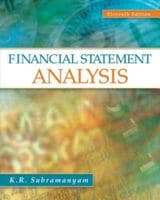
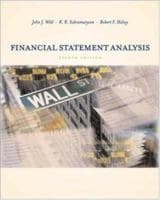
Financial Statement Analysis: Theory, Application and Interpretation
ISBN: 0071159657
ISBN13: 9780071159654
Formats
Conditions
Formats
Conditions
First published in 1973 and used from inception by the initial CFA program this classic text has been used by many thousands of students and professionalsthrough 6 editions. Please judge this text on its merits and be wary of planted sour grapes comments of a competing text which lost out.
This is one of the best text books I've read so far in the field of financial analysis. The book provides most of the tools needed for serious digging of financial data and finding its implications. It's well organizated and well written. The book, however, requires accounting backgrounds to understand and may be a little difficult for beginners. All in all, this can serve a great reference for both students and professionals, and especially suitable for those interested in fundemental analysis.
This is one of the best text books for financial analysis. The book provides various techniques and disciplines for serious digging of financial data. The text is well organized, easy to follow, and well written. The author provides one real world financial statement for analysis and the whole book uses that only one F/S to show how you can use the various tools to analyze a company. That provides a united theme and a sense of consistency. It's definately a good book for wheel-chair financial analysts. The book, however, requires accounting background to understand, and, of course, the book is expensive.
Despite this book's imposing thickness and dense script, it is by far the best reference for detailed financial analysis. Its examples from real data are the best part of the book since they give a solid understanding of analysis that proves subjective in practice. This book is not for the beginner or for people expecting to use it for simple, back of the envelope financial analysis, but is the best resource for financial valuations used in M & A and securitization exercises.