


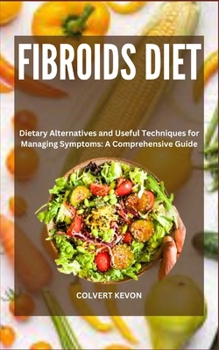
Fibroids Diet: Dietary Alternatives and Useful Techniques for Managing Symptoms: A Comprehensive Guide
No Customer Reviews

Uterine fibroids, sometimes called myomas or uterine leiomyomas, are benign tumors that can occur inside the uterus. Their size can range from that of a seed to that of a grapefruit; they consist of both muscular and fibrous tissue.
A fibrilloma may develop anywhere in the uterus:
- Fibroids that develop outside of the uterus, known as subserosal fibroids, can put pressure on adjacent organs and cause pain.
- Uterine enlargement can be caused by fibroids that are positioned within the uterine muscle wall, which are known as intraamural fibroids.
- Heavy monthly bleeding and associated symptoms can be caused by submucosal fibroids, which originate in the uterine lining and may extend into the uterine cavity.
While researchers still don't know what causes fibroids, they do know that hormones like estrogen and progesterone have a role. They tend to diminish after menopause, when hormone levels drop, and are most prevalent during the reproductive years, when hormone levels are high.
Infertility, numerous miscarriages, constipation, heavy menstrual blood, pressure or pain in the pelvis, the need to urinate often, back pain, and other reproductive problems are all possible outcomes of fibroids.
Several factors influence the treatment options for fibroids, including the size and location of the tumors, the intensity of symptoms, and the individual's intentions about reproduction. Medications to alleviate symptoms are one possibility, while surgical procedures like hysterectomy or myomectomy (the removal of the uterus) are another.
A fibrilloma may develop anywhere in the uterus:
- Fibroids that develop outside of the uterus, known as subserosal fibroids, can put pressure on adjacent organs and cause pain.
- Uterine enlargement can be caused by fibroids that are positioned within the uterine muscle wall, which are known as intraamural fibroids.
- Heavy monthly bleeding and associated symptoms can be caused by submucosal fibroids, which originate in the uterine lining and may extend into the uterine cavity.
While researchers still don't know what causes fibroids, they do know that hormones like estrogen and progesterone have a role. They tend to diminish after menopause, when hormone levels drop, and are most prevalent during the reproductive years, when hormone levels are high.
Infertility, numerous miscarriages, constipation, heavy menstrual blood, pressure or pain in the pelvis, the need to urinate often, back pain, and other reproductive problems are all possible outcomes of fibroids.
Several factors influence the treatment options for fibroids, including the size and location of the tumors, the intensity of symptoms, and the individual's intentions about reproduction. Medications to alleviate symptoms are one possibility, while surgical procedures like hysterectomy or myomectomy (the removal of the uterus) are another.
Format:Paperback
Language:English
ISBN13:9798320675077
Release Date:March 2024
Publisher:Independently Published
Length:122 Pages
Weight:0.28 lbs.
Dimensions:0.3" x 5.0" x 8.0"
Customer Reviews
0 rating
Copyright © 2026 Thriftbooks.com
Terms of Use | Privacy Policy | Do Not Sell/Share My Personal Information | Cookie Policy | Cookie Preferences | Accessibility Statement
ThriftBooks ® and the ThriftBooks ® logo are registered trademarks of Thrift Books Global, LLC
ThriftBooks ® and the ThriftBooks ® logo are registered trademarks of Thrift Books Global, LLC
