


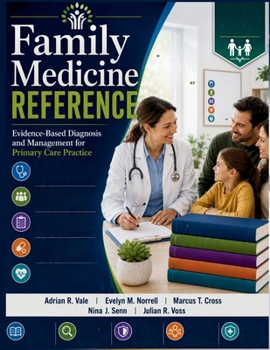
Family Medicine Reference: Evidence-Based Diagnosis and Management for Primary Care Practice

A patient may come in for a "simple" cough and leave with a new diagnosis of heart failure. Another may ask for help with fatigue, back pain, poor sleep, or dizziness while quietly dealing with diabetes, depression, medication side effects, family stress, or an illness that has not yet declared itself.
That is the reality of primary care.
Family medicine is not about treating one symptom at a time. It is about seeing the whole patient, recognizing what cannot be missed, managing uncertainty with confidence, and creating practical plans that work beyond the exam room.
Family Medicine Reference is a clinically focused guide for medical students, residents, physicians, nurse practitioners, physician assistants, nurses, and healthcare professionals who want a clearer, more reliable approach to evidence-based diagnosis and management in everyday primary care.
Designed around the problems clinicians face most often, this book helps readers move from presentation to plan: identify red flags, build a focused differential diagnosis, choose appropriate tests, begin safe treatment, manage chronic illness, and know when referral or urgent escalation is needed.
Inside, readers will find practical guidance for:
- Evaluating common complaints such as chest pain, cough, fever, headache, abdominal pain, fatigue, dizziness, rash, weight loss, and mood changes
- Recognizing urgent conditions that can be mistaken for routine primary-care problems
- Managing hypertension, diabetes, asthma, COPD, heart disease, thyroid disorders, chronic kidney disease, arthritis, depression, anxiety, and other long-term conditions
- Applying preventive care, screening, immunization, lifestyle counseling, and risk reduction across the lifespan
- Caring for children, adults, older adults, and families with different clinical needs
- Interpreting laboratory findings, imaging results, medication risks, and follow-up data
- Managing polypharmacy, treatment adherence, chronic pain, obesity, sleep concerns, and behavioral-health challenges
- Building patient-centered plans that consider culture, family support, finances, health literacy, and real-life barriers to care
- Improving referral decisions, continuity of care, safety-netting, and follow-up in busy clinical settings
What makes this reference especially valuable is its practical clinical perspective. Patients do not arrive with perfect histories or obvious diagnoses. They arrive with overlapping symptoms, incomplete information, multiple medications, chronic disease, limited time, and concerns they may not say out loud.
Family Medicine Reference helps you ask better questions, notice the clues that matter, avoid common diagnostic traps, and make treatment decisions that are safe, efficient, and realistic for the patient in front of you.
Whether you are preparing for clinical rotations, beginning residency, working in outpatient practice, reviewing for examinations, or strengthening your confidence in primary care, this book provides a dependable framework for thoughtful diagnosis, effective management, and compassionate family medicine practice.
Customer Reviews
ThriftBooks ® and the ThriftBooks ® logo are registered trademarks of Thrift Books Global, LLC
