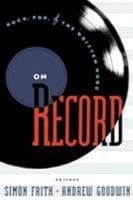
A collection of essays exploring popular culture and its relationship to rock music, which discusses such subjects as the rationale behind Hit Parade radio, black and white "crossover" music, the packaging of pop as a commodity, and how pop music shapes teenage identity and sexuality. This description may be from another edition of this product.
What is my favorite song doing in a wine-cooler commercial?
By Thriftbooks.com User, October 12, 2004
Rock'n'roll is fifty years old now, and it shows no signs of slowing down, going away, or even turning off that darn racket. The five lengthy essays in this book discuss many of the elements that have contributed to its longevity: the taboos of sexuality and race, the roles played by radio and tv, how the music now dominates the commercial marketplace (and has been turned into a commodity itself), why it still carries the sense of teenage rebellion. While anyone who listens to Sting may take exception to that last statement, it's certainly true that rap and pop are still being influenced by rock'n'roll forms and formulas. These essays are a bit dated (the book was published in 1988) but they're detailed and thoughtful, informative without being critical of the pop marketing elements that were shaping the rise of MTV. This is a good companion to Frith's 1981 book, "Sound Effects: Youth, Leisure, and the Politics of Rock'n'Roll," which examines the spectacular growth of the recording industry in the 1950s and 1960s, and the identification of a youth culture that followed it.