


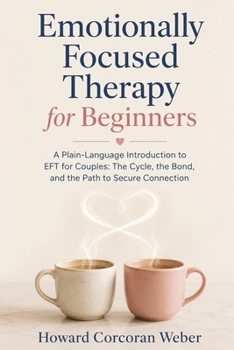
Emotionally Focused Therapy for Beginners: A Plain-Language Introduction to EFT for Couples: The Cycle, the Bond, and the Path to Secure Connection

The fight you keep having is not the real problem.
Most couples in serious distress are not fighting about what they think they are fighting about. Underneath the recurring argument sits a specific pattern, running in the space between two people, that neither partner chose and neither partner can defeat without the other. Emotionally Focused Therapy names that pattern and helps both partners change it together.
What this book delivers.
This book is a client-facing introduction to what EFT actually does. It walks through the three stages and nine steps in plain language, explains what happens in the first three sessions, describes the two positions most couples fall into, and shows what the research does and does not support. Written for couples themselves rather than for clinicians.
Why this book is different.
Existing EFT literature either targets clinicians in training or delivers a specific program without explaining the wider model. This book sits in the middle: an evidence-informed orientation that treats readers as intelligent adults, uses recurring case studies to ground each concept, and stays honest about what the therapy can and cannot fix. Drawn from the work of Susan Johnson, John Bowlby's attachment theory, and the current research base.
This book is for readers who are about to start couples therapy and want to know what will happen, have been recommended EFT and want a plain-language explanation, are already in EFT and want a reference for where they are in the arc, have read Hold Me Tight and want the wider modality context, or are trainee therapists needing an accessible client-facing introduction.
A structured place to begin.
For couples ready to look at the pattern underneath their recurring fight, and for readers who want a clear map of what Emotionally Focused Therapy offers, this book provides a practical path forward.
Customer Reviews
ThriftBooks ® and the ThriftBooks ® logo are registered trademarks of Thrift Books Global, LLC
