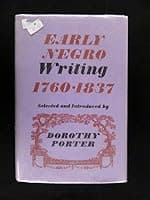
Dorothy Porter's research that went into this book was not the slave trade or slave uprisings and the violence that characterized the 1760 (pre-revolutionary) through 1837 (pre-Civil War and Emancipation) period of American/African history although mention is made.Porter introduces and reproduces significant documents of the period (at least 26 years before the Emancipation Proclamation - June 19th, 1863 - and the end of the Civil War) that tell of the trials, tribulations, day-to-day goings-on and achievements of "free" blacks throughout the period, typically in urban centers such as Boston, New York and Philadelphia, where newspapers and publishing houses were likely to be.The result in fact closely mirrors the state of black society in urban United States today. Her chapter headings: I. Mutual and Fraternal Organizations -- II. Societies for Educational Improvement -- III. Significant Annual Conferences -- IV. To Emigrate or Remain at Home? -- V. Spokesmen in Behalf of Their "Colored Fellow Citizens" -- VI. Saints and Sinners -- VII. Narratives, Poems and EssaysPorter's book should be required reading if there is any interest in the nascency of the abolition, segregation and women's suffrage movements OR of the impact of the Revolution, changing economic conditions and markets, and burdensome influx of "freed" and "escaped" slaves coming up from the "slave" states on existing black communities in the "free" states.