



Select Format
Select Condition 
Book Overview
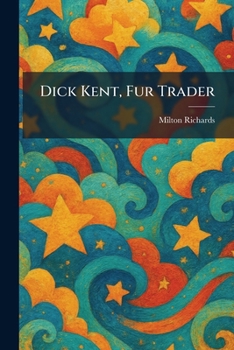
"Dick Kent, Fur Trader" is a classic adventure tale set against the rugged and unforgiving backdrop of the Canadian North. The story follows the exploits of Dick Kent, a courageous and resourceful young man navigating the high stakes of the fur trade industry during a time of exploration and danger. As part of a popular series of juvenile adventure novels, this volume immerses readers in the life of a trader, where survival depends on wit, physical endurance, and an intimate knowledge of the wilderness.
Author Milton Richards masterfully captures the spirit of early 20th-century adventure literature, portraying the vast, snowy landscapes and the intense rivalries inherent in the quest for valuable pelts. From encounters with rival traders to the constant challenges posed by the harsh subarctic climate, the narrative is filled with suspense and high-stakes action. This work serves as a compelling example of the frontier adventure genre, highlighting themes of perseverance, integrity, and bravery. Readers are transported to the remote frontier, experiencing the thrill of the hunt and the complexity of life in the isolated outposts of the Great North.
This work has been selected by scholars as being culturally important, and is part of the knowledge base of civilization as we know it. This work was reproduced from the original artifact, and remains as true to the original work as possible. Therefore, you may see the original copyright references, library stamps (as most of these works have been housed in our most important libraries around the world), and other notations in the work.
This work is in the public domain in the United States of America, and possibly other nations. Within the United States, you may freely copy and distribute this work, as no entity (individual or corporate) has a copyright on the body of the work.
As a reproduction of a historical artifact, this work may contain missing or blurred pages, poor pictures, errant marks, etc. Scholars believe, and we concur, that this work is important enough to be preserved, reproduced, and made generally available to the public. We appreciate your support of the preservation process, and thank you for being an important part of keeping this knowledge alive and relevant.
Customer Reviews
ThriftBooks ® and the ThriftBooks ® logo are registered trademarks of Thrift Books Global, LLC
