For graduate and undergraduate courses in computer science, computer engineering, and electrical engineering
Fundamentals of Processor and Computer Design
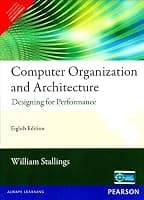
Computer Organization and Architecture is a comprehensive coverage of the entire field of computer design updated with the most recent research and innovations in computer structure and function. With clear, concise, and easy-to-read material, the Tenth Edition is a user-friendly source for people studying computers. Subjects such as I/O functions and structures, RISC, and parallel processors are explored integratively throughout, with real world examples enhancing the text for reader interest. With brand new material and strengthened pedagogy, this text engages readers in the world of computer organization and architecture.
This description may be from another edition of this product.
This book is really comprehensive and up-to-date. It covers the subject in sufficient details with good examples and illustrations. The main problem of the book is that it is too dry and not very easy to read.
0
★★★★★
A great book.
By Thriftbooks.com User, August 6, 2006
A good book to get started with the fundamentals of computer organization and architecture. The author keeps us up-to-date with the state of the art developments in the area. I recommend it for a text book or a handy reference.
0
★★★★★
excellent text
By Thriftbooks.com User, July 26, 2003
This is an excellent text that I'm using in a junior-level computer architecture course. It covers popular modern architectural and microarchitectural techniques (e.g., register renaming and predicated instructions) in detail suitable to undergraduates - while not focusing on a particular instruction set as in some other undergraduate texts. It provides excellent coverage of memory hierarchies. Aspects of the IA-64, PowerPC, SPARC, and x86 architectures are used as examples. Lucid and well written - it is well suited for self-study.
0
★★★★☆
Explains a large topic area quite well.
By Thriftbooks.com User, September 20, 1999
I was surprised by some of the low ratings of this book. Overall, it is clearly written and the graphics are very helpful to understanding the material. Some coverage at the logic gate level would be useful in future editions - I ended up surfing the web for this information. All in all, this is a good text for a CompSci course. However, it would be difficult to recommend it for self-study unless the reader is already comfortable with technical material.
0
★★★★☆
This is a very easy to understand book
By Thriftbooks.com User, June 19, 1998
This book doesn't contain any logic gate level designs but covers general computer organisation issues thoroughly. It is only 670 pages approximately and covers instruction set design, CPU structure (ALU + control unit), I/O (such as SCSI, FireWire and RAID), Bus systems (PCI, Futurebus+) and operating systems etc. There are numerous comparisons made between Intel Pentium and PowerPC. It is a good book to start with a very good bibliography for more detailed books on each chapter's subject.