


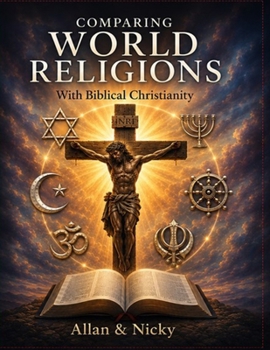
Comparing World Religions: With Biblical Christianity

Throughout history, humanity has asked fundamental questions: Who is God? Why are we here? What is wrong with the world? How can we be saved? What happens after death?
The world's religions offer different answers to these questions. This brief comparison examines several major religions alongside Christianity, focusing particularly on their understanding of God, humanity, salvation, and eternal destiny.
ChristianityChristianity centers on Jesus Christ, whom Christians believe is the Son of God and Savior of humanity.
Core Beliefs
One God: Father, Son, and Holy SpiritJesus Christ is fully God and fully humanHumanity is separated from God through sinSalvation comes by God's grace through faith in Jesus ChristEternal life is God's giftSacred Text: The Bible
Salvation: Through faith in Christ, His death, and His resurrection.
Central Emphasis: Reconciliation and a personal relationship with God through Jesus Christ.
IslamIslam teaches submission to the one God, Allah.
Founder: Muhammad
Sacred Text: The Qur'an
Core Beliefs
One absolute GodMuhammad is the final prophetJesus is a prophet, but not divineHumanity will face a final judgmentSalvation: Through faith, obedience, good works, and following God's commands.
Key Difference: Islam does not accept Jesus as the Son of God or Savior.
HinduismHinduism contains a wide range of beliefs and philosophies concerning God, humanity, and existence.
Sacred Texts: Vedas, Upanishads, Bhagavad Gita
Core Beliefs
Brahman is the ultimate realityVarious gods and forms of worship existKarma influences future existenceReincarnation continues the cycle of life and deathSalvation: Moksha, or liberation from the cycle of rebirth, through knowledge, devotion, or disciplined living.
Key Difference: Liberation is understood primarily through spiritual development rather than salvation through Christ.
BuddhismBuddhism focuses on overcoming suffering through spiritual understanding and enlightenment.
Founder: Siddhartha Gautama
Sacred Texts: Various Buddhist scriptures, including the Tripitaka
Core Beliefs
Life is marked by sufferingDesire is a cause of sufferingEnlightenment brings freedom from sufferingThe Eightfold Path leads toward liberationSalvation: Nirvana, understood as freedom from suffering and the cycle of rebirth.
Key Difference: Buddhism does not center on a personal Creator God or salvation through a divine Savior.
JudaismJudaism is the ancient faith from which Christianity emerged historically.
Sacred Text: The Torah
Core Beliefs
One God created the universeGod established a covenant with IsraelGod's commandments are central to faithful livingThere will ultimately be divine judgment and restorationConclusionThe world's religions address many of the same fundamental questions, but they provide very different answers concerning God, humanity, salvation, and life after death.
Christianity's central claim is that humanity cannot save itself. Instead, God has acted in history through Jesus Christ, offering forgiveness, reconciliation, resurrection, and eternal life through faith in Him.
For Christianity, this message of grace, redemption, and resurrection is what makes the Christian gospel distinctive.
Customer Reviews
ThriftBooks ® and the ThriftBooks ® logo are registered trademarks of Thrift Books Global, LLC
