


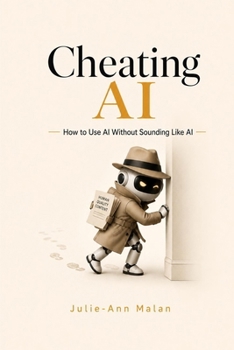
Cheating AI: How to use AI without sounding like AI

Cheating AI is a funny, practical guide to spotting the signs of AI-generated writing and fixing them before your work starts sounding generic, stiff, or suspiciously polished.
This is not a book about banning AI. That horse has bolted, opened a LinkedIn account, and is probably posting about productivity hacks. This book is about using AI wisely without letting it steal your voice.
AI writing often looks impressive at first. The grammar is clean. The headings are tidy. The paragraphs behave themselves. But then the clues start to appear: dramatic dashes, vague examples, overused phrases, strange citations, broken links, unnecessary tables, and conclusions that say very little while looking very pleased with themselves.
Inside, you will learn how to recognise the usual giveaways: too many headings, bullets and tables; phrases like "It is important to note that" and "plays a crucial role"; generic examples; shallow claims; sudden changes in voice; fake links; messy tracking codes; inconsistent spelling; and invented references.
But this book is not just about catching AI. It is about making writing better.
The real question is not always, "Was AI used?"
The better question is, "Has a human actually checked, shaped, and owned this?"
With humour, examples, and a practical review checklist, Cheating AI helps writers, students, teachers, editors, professionals, business owners, and everyday AI users rescue their writing from the robot suit.
Good writing does not need to sound perfect.
It needs to sound alive.
Customer Reviews
ThriftBooks ® and the ThriftBooks ® logo are registered trademarks of Thrift Books Global, LLC
