


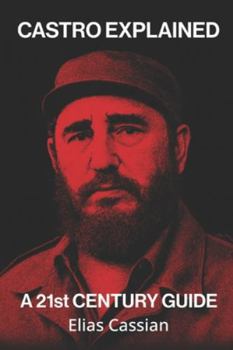
Castro Explained: A 21st Century Guide

A Clear-Eyed Guide to One of History's Most Controversial Figures
Fidel Castro died in 2016, but debates about his legacy rage on. Was he a heroic revolutionary who stood up to empire and transformed his nation? Or a brutal dictator who imprisoned thousands and impoverished his people? The answer, this book argues, is far more complex than either hero or villain.
Castro Explained offers what the decades-long debate has lacked: a comprehensive, balanced examination of Castro's life, his revolution, and his enduring significance. Written for curious readers with no prior background, this guide treats you as an intelligent adult capable of thinking for yourself-not someone who needs to be told what to conclude.
What You'll Discover:
The Cuba that made Castro possible-the inequality, corruption, and American domination that created revolutionary conditionsHow a privileged lawyer became a guerrilla leader-tracing Castro's transformation from student activist to revolutionary iconWhat the revolution actually achieved-the genuine advances in healthcare and education that even critics acknowledgeWhat it cost-the political repression, economic failure, and human suffering that defenders minimizeHow Castro survived-navigating the Cold War, outlasting the Soviet Union, and maintaining power for nearly fifty yearsWhy he still matters-what Castro reveals about revolution, leadership, charisma, and the tension between equality and freedomThis Book Is Different
Unlike partisan accounts that either celebrate or condemn, Castro Explained presents the strongest version of different perspectives before letting you draw your own conclusions. You'll understand:
Why many Cubans genuinely supported the revolution alongside why others desperately fled itHow Castro provided universal healthcare while imprisoning dissidents-and why both things are trueWhat his experience teaches about revolutionary change, charismatic leadership, and the dangers of concentrated powerWhy the debate about Castro is really a debate about what we value most: freedom or equality, individual rights or collective welfareWritten With Respect for Your Intelligence
This isn't a textbook or a polemic. It's a thoughtful companion explaining complex history in clear, engaging prose. Each chapter builds on the last, creating a complete picture accessible to newcomers yet substantial enough to satisfy those seeking genuine understanding.
By the end, you'll be equipped to:
Engage thoughtfully in debates about Castro's legacyUnderstand references to Cuba in contemporary politicsEvaluate competing claims with informed skepticismRecognize what revolutionary transformation achieves and what it costsForm your own reasoned judgments about one of history's most contested figuresThe Goal: Understanding, Not Verdict
Whether you finish sympathetic to Castro, critical of him, or somewhere in between, you'll understand why people disagree so passionately-and what that disagreement reveals about enduring questions of justice, power, and human flourishing that extend far beyond one man or one island.
Includes:
Comprehensive glossary of key termsDetailed timeline of major eventsAnnotated guide to further reading organized by topic and difficultyCastro Explained succeeds if you can close it and think more clearly about revolution, leadership, and political change-whatever conclusions you ultimately reach. That clarity, in our polarized age, is more valuable than any verdict this book could impose.
Customer Reviews
ThriftBooks ® and the ThriftBooks ® logo are registered trademarks of Thrift Books Global, LLC
