


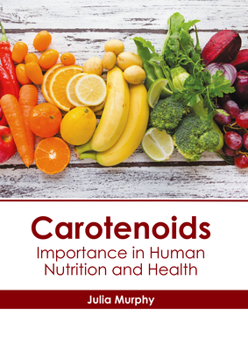
Carotenoids: Importance in Human Nutrition and Health
No Customer Reviews

Carotenoids are a class of phytonutrients synthesized by plants, algae and photosynthetic bacteria. These richly colored molecules are responsible for the yellow, orange and red colors of many fruits and vegetables. Carotenoids can be broadly classified as carotenes and xanthophylls based on the chemical contained in them. There are several types of dietary carotenoids such as a-carotene, b-carotene, b-cryptoxanthin, lutein, zeaxanthin, and lycopene. Mangoes, papayas, carrots, sweet potatoes, spinach, and pumpkins are some good sources of a-carotene. Carotenoids play diverse roles in promoting human health. They act as antioxidants in the human body and have strong cancer-fighting properties. The body converts some carotenoids into vitamin A, which is essential for vision, normal growth and development. The anti-inflammatory and immune system benefits of carotenoids can help in preventing cardiovascular diseases. The book outlines the importance of carotenoids in human health in detail. With its detailed analyses and data, it will prove immensely beneficial to nutritionists, registered dieticians, and medical students involved in the field of clinical nutrition and dietetics at various levels.
Format:Hardcover
Language:English
ISBN:1646475356
ISBN13:9781646475353
Release Date:September 2023
Publisher:Hayle Medical
Length:254 Pages
Weight:1.95 lbs.
Dimensions:0.6" x 8.5" x 11.0"
Customer Reviews
0 rating
Copyright © 2026 Thriftbooks.com
Terms of Use | Privacy Policy | Do Not Sell/Share My Personal Information | Cookie Policy | Cookie Preferences | Accessibility Statement
ThriftBooks ® and the ThriftBooks ® logo are registered trademarks of Thrift Books Global, LLC
ThriftBooks ® and the ThriftBooks ® logo are registered trademarks of Thrift Books Global, LLC
