


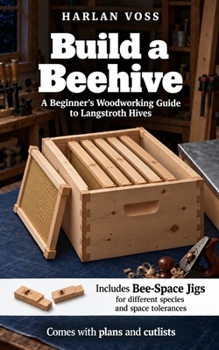
Build a Beehive: A Beginner's Woodworking Guide to Langstroth Hives

BUILD YOUR OWN HIVE, THEN WATCH YOUR FIRST BEES MOVE IN
There is a particular satisfaction in building something that will go on to be used every day. A beehive takes that feeling a step further. Once the last piece is fitted and the hive is set in place, it has a purpose: to give your colony a sound, well-made home.
This guide shows you how to build a standard Langstroth hive from the first cut to the finished box, including the frames, bottom board, inner cover, and stand. The measurements are carried through as one complete build, so the parts fit together and the dimensions that matter are right from the start.
Bee space is one of the dimensions that makes or breaks your hive. The difference between a hive buzzing with activity and an empty box in the corner of your garden. This guide puts those critical measurements into the build, with clear drawings and dimensions you can take straight to the workshop.
Harlan Voss is a retired Wisconsin carpenter and small-farm beekeeper who has built his own hives for twenty years. He now runs build days for his local bee club, helping beginners build their first boxes and frames.
INSIDE, YOU'LL LEARN HOW TO:
You also get 24 measured drawings, a fully annotated cut list for both hive sizes, the bee-space gauge, and an all-in cost page covering lumber, equipment, and the bees themselves, including when to place your colony order.
This is a build manual for the woodworker who wants to keep bees, and for the beekeeper who would rather build a hive than buy one. It covers the construction thoroughly, while leaving ongoing colony management, mite control, and disease treatment to dedicated beekeeping guides and your local club.
By the end, you will have a properly built Langstroth hive, with every part understood from the first cut to the finished roof, ready for the day your first colony moves in.
If you're looking for a meaningful project to work on over the winter months, then look no further. Scroll up and get your copy today.Customer Reviews
ThriftBooks ® and the ThriftBooks ® logo are registered trademarks of Thrift Books Global, LLC
