


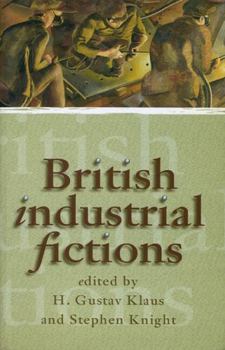
British Industrial Fictions

British Industrial Fictions is a collection of essays on the fiction which represented the contexts, aspirations and dramas experienced by the people who worked in industry in Britain over a period of two hundred years. This fictional material was usually produced in conscious resistance to the dominant culture of the day, sometimes by middle-class sympathisers, but often by workers themselves who found time, somehow, to write about their stark experiences.
Some of the essays in this collection discuss little-known aspects of industrial fiction, such as the early fiction about seamstresses, industrial writing by Welsh women authors, the largely unknown representations of ship-builders, nineteenth century nail-workers, late twentieth-century Scottish unemployed. Other essays reconsider well-known major authors and periods such as Robert Tressell, James Hanley, Alan Sillitoe, Lewis Jones, the literature of the 1926 strike; and some essays look at structural features of industrial writing such as the relation between fiction and industrial accidents in the nineteenth century, and the literary patterns of 1930s writing.
Customer Reviews
ThriftBooks ® and the ThriftBooks ® logo are registered trademarks of Thrift Books Global, LLC
