Contending with the difficult questions and circumstances that accompany chronic illness, this?handbook aims to comfort those suffering from a sustained condition as well as their loved ones. Tips on what to do and say in exchanges between sufferers and those closest to them are?provided in a no-nonsense manner and plain language. Five concise sections cover ideal communication, the most efficient ways to provide support, listening and observing, relating, and responding to different moods and challenging dialogue. Addressing a crucial need for the present day, this is an essential guide for millions of people touched by prolonged ailments. This description may be from another edition of this product.
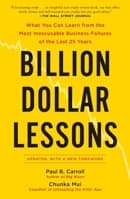
This is an excellent book. It answers a lot of questions about how a nothing (at the time) software company like MicroSoft was able to trounce the largest (at the time) hardware/software company in the world. It was particularly fascinating to read how MicroSoft was so reluctant to even get involved with IBM and had to be cajoled and bullied by IBM into doing the IBM-DOS project.
0
★★★★★
With IBM's bungling, how could Microsoft fail?
By Thriftbooks.com User, November 7, 2002
People who complain that this book is unfounded because IBM is growing and profitable forgets that over a decade ago, IBM was a stinker: the bottom had fallen out of the lucrative mainframe market, and IBM could not compete long-term in the rapidly growing PC/Workstation market. This book is a great lesson in how not to adapt to change. Luckily, IBM has pulled itself out, but at what cost? Imagine if IBM had got the PC revolution right? There might not even be a Microsoft today and IBM could have retaken its position as THE corporate super-power.Besides discussing poor management, I enjoyed the information and great anecdotes about IBM's relationship with Bill Gates and Microsoft. I cannot believe the number of opportunities IBM squandered to acquire, invest or eliminate Microsoft. It seems that IBM pratically pushed Gates to build Microsoft into the power it is today.
0
★★★★★
if you're in the computer industry, don't pass it up
By Thriftbooks.com User, January 10, 2000
This is a penetrating and often amusing look at the rise and fall of IBM. It's dated, much like any book about computers that was published about seven years ago is obviously expected to be.If IBM is doing better now, this book might have had something to do with it. Things like corporate hymnals, the ponderous decisionmaking process, and the reasons for the failure of IBM's PS/2 line are all exposed in humiliating detail. As a former retail sales rep for an IBM dealer from 1988-1990, I can tell you that in that time frame the IBM I saw looked a lot like Carroll's portrayal (and completely turned me off about them). This book is worth a search.
0
★★★★★
Insightful and well Researched.
By Thriftbooks.com User, August 7, 1999
Paul Caroll's years of experience covering IBM and his expertise as a writer really shows in this riveting documentary of IBM. The only problem with the book is that it is out of date. IBM has turned its business around under its present management and is doing quite well.
0
★★★★★
All about bureaucracy
By Thriftbooks.com User, August 22, 1998
This book is more about bureaucracy than IBM. It demonstrates just how difficult it is to remain on-the-ball in the face of rapidly advancing technological innovation. It also provides a rare and wonderful insight into the perpetual battle between the creative individual and the second-rate bureaucrat. If you loved Orwell and Kafka you're gonna roll about the floor with this one. More importantly, especially in today's debate over Microsoft, the book clearly demonstrates why a monopoly is impossible within the high-tech industry. After reading this book you will understand Bill Gates and realize just how vulnerable Microsoft really is.