


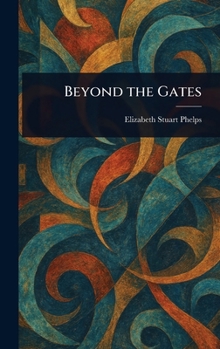
Beyond the Gates

Select Format
Select Condition 
Book Overview
Explore the mysteries of the afterlife in Elizabeth Stuart Phelps's "Beyond the Gates," a visionary exploration of the future life. Published in the late 19th century, this enduring work of fiction delves into themes of spiritualism and offers a unique perspective on heaven.
Phelps, a prominent voice in her time, crafts a narrative that resonates with timeless questions about existence beyond earthly bounds. As a work of religious fiction, "Beyond the Gates" presents a comforting and thought-provoking vision of what awaits us. This meticulously prepared edition allows readers to rediscover Phelps's classic story and contemplate her unique perspective on the great unknown. Journey beyond and discover a hopeful vision of the future.This work has been selected by scholars as being culturally important, and is part of the knowledge base of civilization as we know it.
This work is in the public domain in the United States of America, and possibly other nations. Within the United States, you may freely copy and distribute this work, as no entity (individual or corporate) has a copyright on the body of the work.
Scholars believe, and we concur, that this work is important enough to be preserved, reproduced, and made generally available to the public. We appreciate your support of the preservation process, and thank you for being an important part of keeping this knowledge alive and relevant.
Customer Reviews
ThriftBooks ® and the ThriftBooks ® logo are registered trademarks of Thrift Books Global, LLC
