


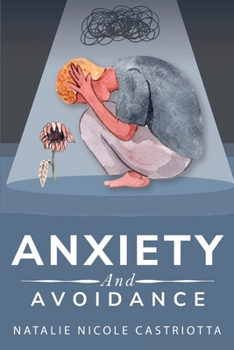
Anxiety and Avoidance

I aimed to differentiate fear and avoidance as separate predictors of treatment outcome and examine whether avoidance behavior is a stronger predictor of treatment outcome and future relapse than fear level. Participants were treatment seeking adults (N=75) who met diagnostic criteria for social anxiety disorder (SAD) using the Anxiety Disorders Inventory Schedule-IV (ADIS). Eligible participants were randomly assigned to one of two treatment groups to complete 12 weeks of manualized Cognitive Behavioral Therapy (CBT) or Acceptance and Commitment Therapy (ACT) treatment. Fear, avoidance, and clinical severity ratings (CSR) were measured via the ADIS and participant self-report using the Mood and Anxiety Symptom Questionnaire at pre and post-treatment and six month follow-up. Results indicate that pre-treatment avoidance level predicted post-treatment fear level over and above pre-treatment fear level, but pre-treatment fear level did not predict post-treatment avoidance Level. Pre-treatment avoidance level significantly predicted post-treatment CSR and MASQ scores, over and above
Customer Reviews
ThriftBooks ® and the ThriftBooks ® logo are registered trademarks of Thrift Books Global, LLC
