
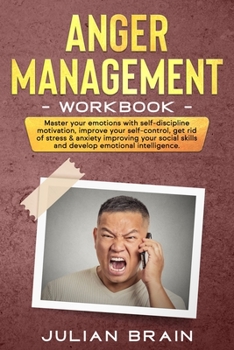
Anger is a normal and healthy emotion but its power cannot be ignored. This emotion may stem from feelings of hurt, annoyance, frustration, or disappointment.
Anger is a normal emotion ranging from mild irritation to destructive rage. Everyone has different anger triggers and what might spark one person may not bother the next person at all. Considering that anger is a normal emotion, we can agree that it has a healthy purpose in our lives. In most cases, it warns us when something is not right. However, anger becomes a problem if it is uncontrollable. The main challenge with anger is that it seems to come when a person is completely unaware and because it erupts with such ferocity, its intensity can easily overshadow the causes. What most of us gather from being angry or staying with a person who has anger problems is the consequences and damage that it leaves behind. Typically, we cannot remember the cause of the anger in the first place. What is sad is that a person in need of anger management can experience these bouts of intense anger outbursts repeatedly. Such a person may or may not recognize the events that took place leading to anger. Some of the people suffering from anger issues may feel that they have the right to act out of emotions, therefore, will not feel any remorse for their actions or words. What is even worse for the angry people is that most of them never learn the causes of anger and ways to change behavior and act better thus the cycle will consistently repeat itself. Primarily, the anger emotion evolved as a means of survival and protection helping people to get away from what is considered wrong. Mild anger may stem from feelings of tiredness, stress or irritability- In fact, we are likely to feel agitated when our basic needs are not met. We may also become angry when reacting to criticism, frustration or threats. In such cases, getting angry is not necessarily an irrational or unreasonable reaction. Some of the dangers of suppressing anger include depression and anxiety. When one is unable to express anger in an appropriate way, he or she may experience mental problems including withdrawal, unwarranted tension, overreacting to a situation, among others. Suppressed anger can disrupt relationships, affect behavioral patterns and effective thinking and also create a variety of physical problems. Suppressed anger has been linked to problems such as emotional and physical abuse, crime and other violent behavior. Anger management involves recognizing the triggers of the emotion as early as possible and dealing with them (expressing them) in a calm cool and collected way. Basically, we learn how to deal with strong emotions as we grow up. Chances are, if we saw someone close to us expressing their anger in a wrong way, we might think it is a good and effective way, thus follow it unconsciously. Anger management is about unlearning these ineffective coping mechanisms and learning more constructive ways of dealing with the frustration and problems associated with anger.
In this book, you will learn more about:
What is anger: why and how we feel angryWhy bother?Understanding angerDefusing angerShort and long-term anger managementThe basics of anger in menStress and anger-the hidden link that's making you angryPractical tips that will help you ease upCritical thinking skills to combat angerAnger management medication - is it right for you?Understanding anger management
ThriftBooks sells millions of used books at the lowest
everyday prices. We personally assess every book's quality and offer rare, out-of-print treasures. We
deliver the joy of reading in recyclable packaging with free standard shipping on US orders over $15.
ThriftBooks.com. Read more. Spend less.
