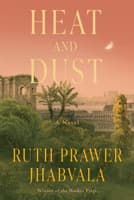
This is really a wonderful little tale. Having no familiarity with any of Jhabvala's other work, I'm not sure how To Whom She Will compares with her better known novels, such as Heat and Dust, or how it might be representative of any consistent style or theme with which she writes, but I'm certainly now excited to learn and confident that I've found another author whose fruits I enjoy. To Whom She Will is a light, quick, and rewarding read, marked by nuanced, intelligent, and perceptive humor and rich with unpresuming moral substance, as well, whose relevance is probably timeless; a good choice with which to space out more demanding literature. It is a skillful satire primarily of the grandiosity and vanity and dumb, empty arrogance of the leisure classes in 1950's India (who are constantly tortured by self-constructed angst and console themselves with salves of righteousness and scorn) and of the vulnerability of youth to delusional romanticism, self-preoccupation, whimsy, melodrama, and the fascinating appeal of the ideals of Suffering and Love. All of Jhabvala's characters are caricatures of a kind, and by them, I think, Jhabvala gently ridicules our wont to take ourselves and our chosen ambitions overly seriously. To Whom She Will lead me to reflect on the constant, furious human endeavor of interpreting-of inventing, really-our individual lives; on our tendency to become easily distracted from living by our ceaseless efforts at scripting and performing our own stories, desperate to make them glamorous and honorable, willfully deluding ourselves in order to believe we live passionate lives, that we have transcended the quotidian, that we love with a great, awesome love, that our personal suffering is exceptionally puissant, that ours is a struggle with Fate and Tragedy, that we require the greatest courage to navigate the circumstance and choices we face, and perhaps-ultimately-that our lives have meaning and significance. Jhabvala's characters invoke ridicule and disdain. It is natural to laugh at them. Indeed, the evolution of Jhabvala's plot I found remarkably adroit in its manner of illuminating her characters' various follies and vanities with levity, but her characters are no less real or realistic for their unadulterated weaknesses. After having relished my amusement, the more lasting effect of Jhabvala's tale, for me, was in taking pause to ruminate humbly again on my own delusions.